
PavoStyleDetaling
New member
Buongiorno a tutti e buongiorno Super Mike!
Sono un appassionato del fai-da-te e di solito mi vengono affidati veicoli che richiedono una correzione in un solo passaggio.
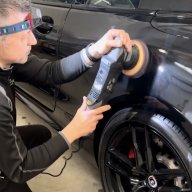
Per questo lavoro ho utilizzato la mia Shinemate EX620 con un tampone Lake Country SDO Blue e una matita Scholl Concepts S20.
Purtroppo, avevo a disposizione solo circa cinque ore dall'inizio alla fine. A causa dei tempi ristretti, ho dovuto lavare il veicolo nel modo più accurato possibile, eseguire la decontaminazione con un lavaggio senza risciacquo e poi passare direttamente alla lucidatura.
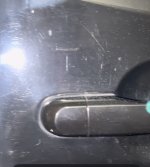
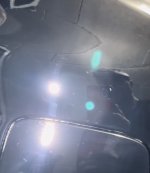
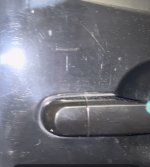
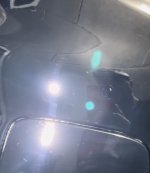
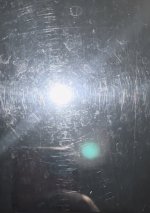
Riterresti accettabile questo risultato per una correzione in un solo passaggio in queste circostanze?
Inoltre, se avessi usato la Dynabrade DB8E (Mike, non vedo l'ora di leggere la tua recensione!), pensi che avrei potuto ottenere un risultato migliore in meno tempo?
Grazie mille per il tempo che ci hai dedicato e per tutte le conoscenze che condividi con la comunità del detailing!
In English courtesy of Google Translate
Good morning, everyone—and good morning, Super Mike!
I’m a DIY enthusiast, and I’m usually entrusted with vehicles that require a single-step paint correction.
For this job, I used my Shinemate EX620 paired with a Lake Country SDO Blue pad and Scholl Concepts S20 polish.
Unfortunately, I only had about five hours available from start to finish. Due to the tight schedule, I had to wash the vehicle as thoroughly as possible, perform a decontamination using a rinseless wash, and then move straight on to polishing.
Would you consider this result acceptable for a single-step correction under these circumstances?
Furthermore, had I used the Dynabrade DB8E (Mike, I can't wait to read your review!), do you think I could have achieved a better result in even less time?
Thank you so much for your time and for all the knowledge you share with the detailing community!
Sono un appassionato del fai-da-te
e di solito mi vengono affidati veicoli che richiedono una correzione in un solo passaggio.Per questo lavoro ho utilizzato la mia Shinemate EX620 con un tampone Lake Country SDO Blue e una matita Scholl Concepts S20.
Purtroppo, avevo a disposizione solo circa cinque ore dall'inizio alla fine. A causa dei tempi ristretti, ho dovuto lavare il veicolo nel modo più accurato possibile, eseguire la decontaminazione con un lavaggio senza risciacquo e poi passare direttamente alla lucidatura.
Riterresti accettabile questo risultato per una correzione in un solo passaggio in queste circostanze?
Inoltre, se avessi usato la Dynabrade DB8E (Mike, non vedo l'ora di leggere la tua recensione!), pensi che avrei potuto ottenere un risultato migliore in meno tempo?
Grazie mille per il tempo che ci hai dedicato e per tutte le conoscenze che condividi con la comunità del detailing!
In English courtesy of Google Translate
Good morning, everyone—and good morning, Super Mike!
I’m a DIY enthusiast
, and I’m usually entrusted with vehicles that require a single-step paint correction.For this job, I used my Shinemate EX620 paired with a Lake Country SDO Blue pad and Scholl Concepts S20 polish.
Unfortunately, I only had about five hours available from start to finish. Due to the tight schedule, I had to wash the vehicle as thoroughly as possible, perform a decontamination using a rinseless wash, and then move straight on to polishing.
Would you consider this result acceptable for a single-step correction under these circumstances?
Furthermore, had I used the Dynabrade DB8E (Mike, I can't wait to read your review!), do you think I could have achieved a better result in even less time?
Thank you so much for your time and for all the knowledge you share with the detailing community!
Attachments
Last edited by a moderator: