


Looking for guidance… deeply etched waterspots

Joined
Dec 27, 2024
Messages
3
Reaction score
0
Points
1
Location
Anderson, SC
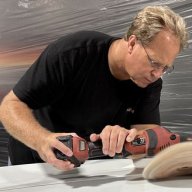
I have a 2016 Range Rover HSE in for intensive waterspot removal. The paint is metering between 105-120microns around the vehicle. A 2-step correction has addressed 90% of the issues except on the horizontal panels ( hood and roof). This is OEM paint which I “never” sand, but did a test spot gently sanding with 2000 and then doing rotary/wool/heavy cut followed by gear-driven/ foam/ finishing polish with success. Per measurements, we removed about 15 microns. I know the risks, but no way to resolve these without a sanding step. Given I’m experienced and very mindful of things, should I cautiously proceed? FYI - I have communicated the risks to customer and indicated the liability resides with them. Should I proceed?
 

Attachments

  • IMG_7451.jpeg
    IMG_7451.jpeg
    1.2 MB · Views: 4
  • IMG_7460.jpeg
    IMG_7460.jpeg
    1.3 MB · Views: 4
Last edited:
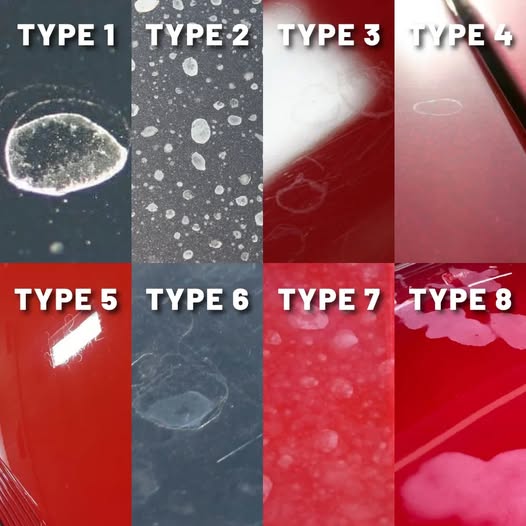
The last time I saw water spot etchings this bad is when I buffed out a Corvette in Irvine, California while working at Meguiar's.

I'm thinking these are Type 4 and that picture in Type 4 is the picture I took of the Corvette. Somewhere I have the original.

full


Let me get back to you.
 
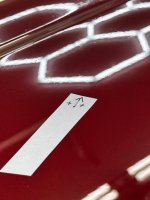
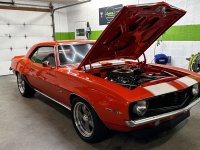
Hey Mike - Wanted to let you know I went for it. Sanded with 3000 (by hand for precise control), Cut with rotary/wool/heavy cut, finished with free-spinning DA/LC orange foam pad/finishing polish. Per measurements, I removed around 15 microns. I think we got 80% of them, but did not chase the deeper ones. Pics here for reference. FYI - Included a photo of the other car we have in for car show prep for fun ('69 Camaro Z/28) - It's getting top to bottom, inside and out attention, engine bay detailed, brightwork, and a polish for Saturday's car show. Thanks Mike for all the education and support to this industry you provide!!
Chris Bence / Swerve Pro Detailing
 

Attachments

  • IMG_7480 copy.jpg
    IMG_7480 copy.jpg
    734.3 KB · Views: 3
  • IMG_7483 copy.jpg
    IMG_7483 copy.jpg
    624.9 KB · Views: 3
  • IMG_7484 copy.jpg
    IMG_7484 copy.jpg
    1.5 MB · Views: 3
Looks GREAT to me! Apologies I didn't get back to you - was actually making a video on how to remove FRESH water spots.

For water spot ETCHINGS like you dealt with - a mechanical method is the only answer. Mechanical meaning machine polishing and/or sanding followed by machine polishing. And it looks like you saved the paint job.

My guess is - like a lot of cool muscle cars, when this went into the paint booth - the painter sprayed more or extra clearcoat knowing the car would be sanded and a seasoned painter will spray more paint not just for sanding and buffing - but for the FUTURE - for things like this. With a little extra paint - you have a little more safety margin to work with.


Your success reminds me of a saying I learned from my long-time friend Pall Grasso - in fact, I wrote an article for his quote because I share it all the time.


The difference between a hack and a professional is a professional knows when to stop

1970SupGlass058a.jpg


Mike
 
This Range Rover was the evil vessel of those waterspots! :) - Which is why I was so hesitant to go sanding away on thin OEM clearcoat, but it turned out well. Shoot, that Camaro has like 350 microns of single stage on it and would not have given me the PTSD I now have from the Rover lol.

 

Attachments

  • IMG_7485 copy.jpg
    IMG_7485 copy.jpg
    1.5 MB · Views: 1
Back
Top