
- Admin
- #19
- Joined
- May 21, 2021
- Messages
- 2,822
- Reaction score
- 1,694
- Points
- 113
- Location
- Stuart, Florida
- Website
- themikephillipsforum.com
More...
Next up is our 3rd MAJOR TOPIC for Saturday:
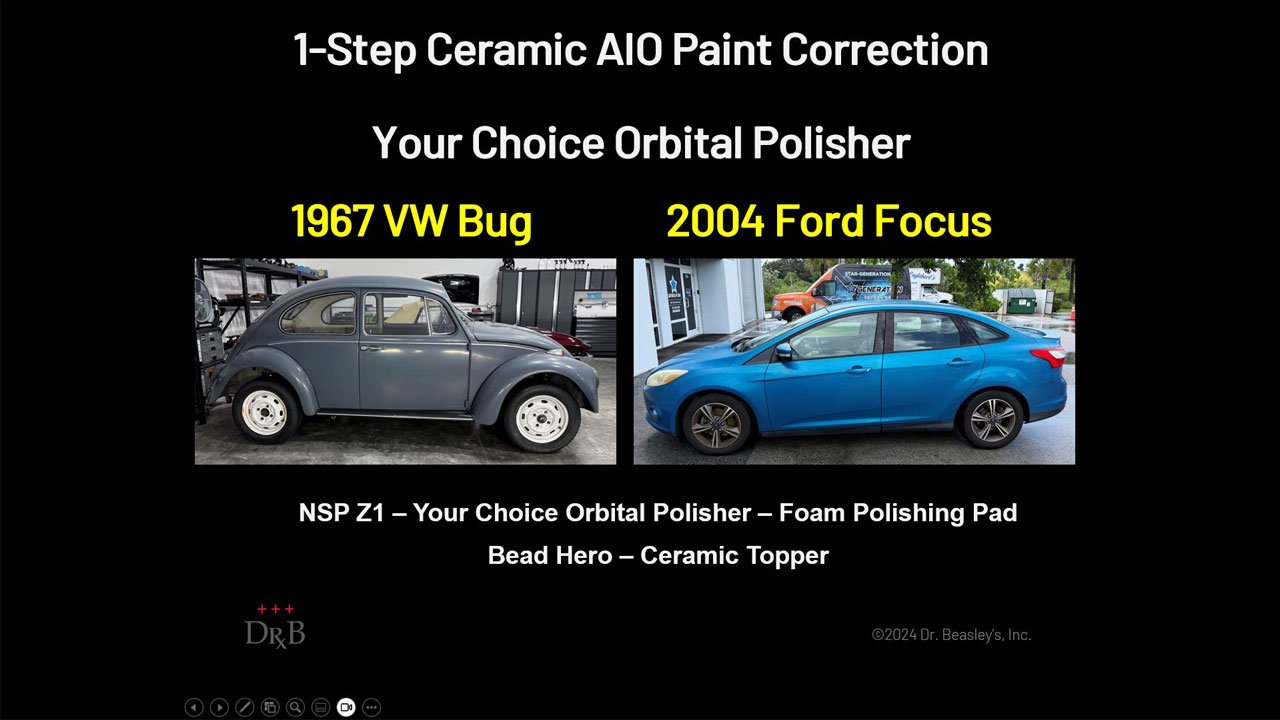
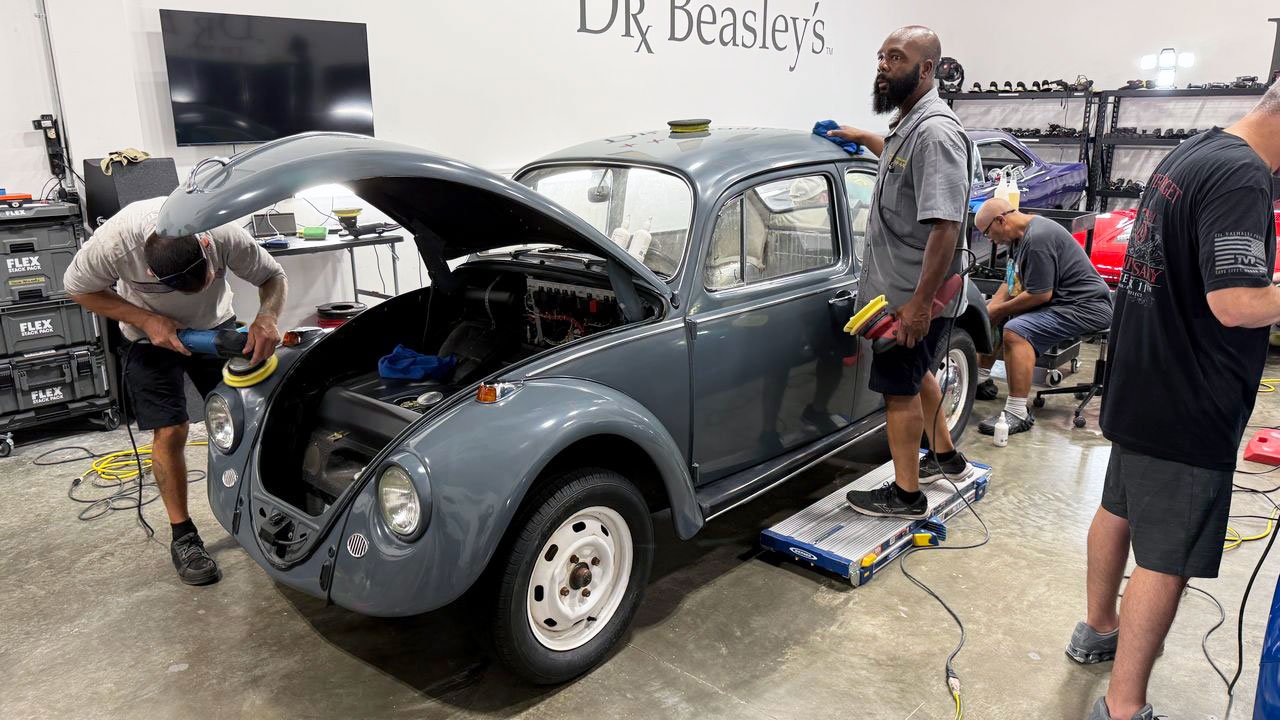
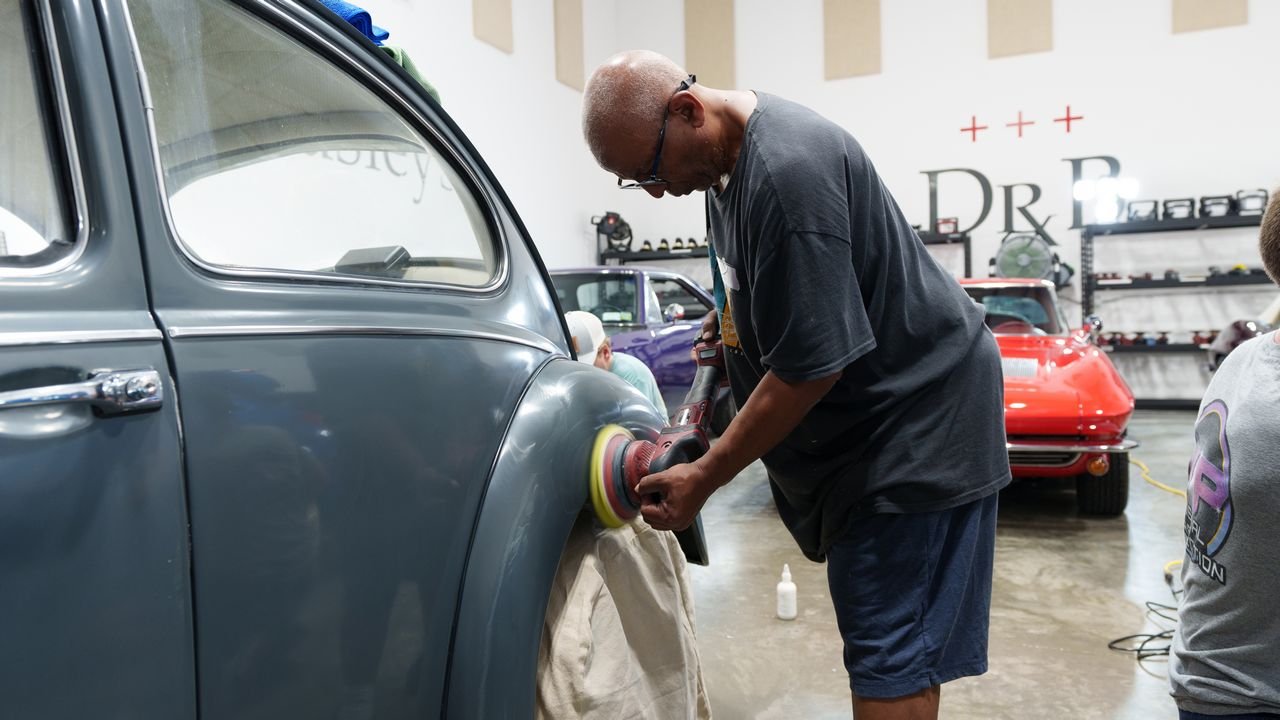
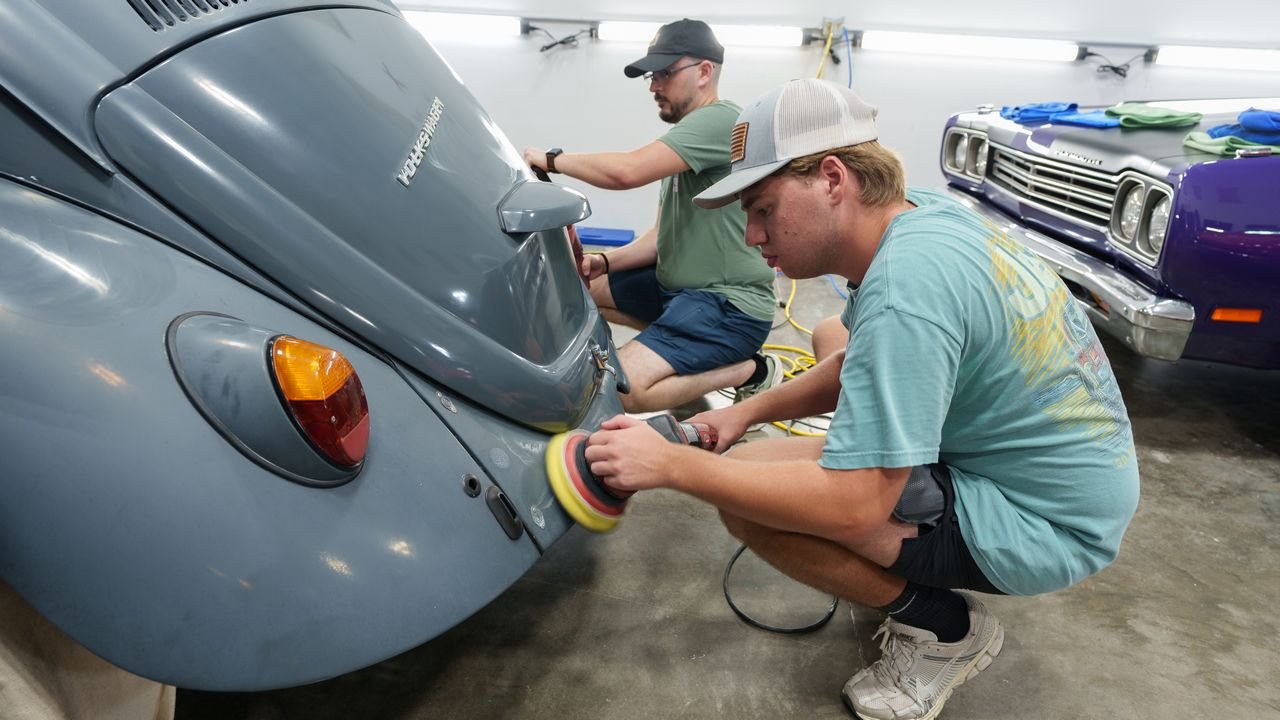
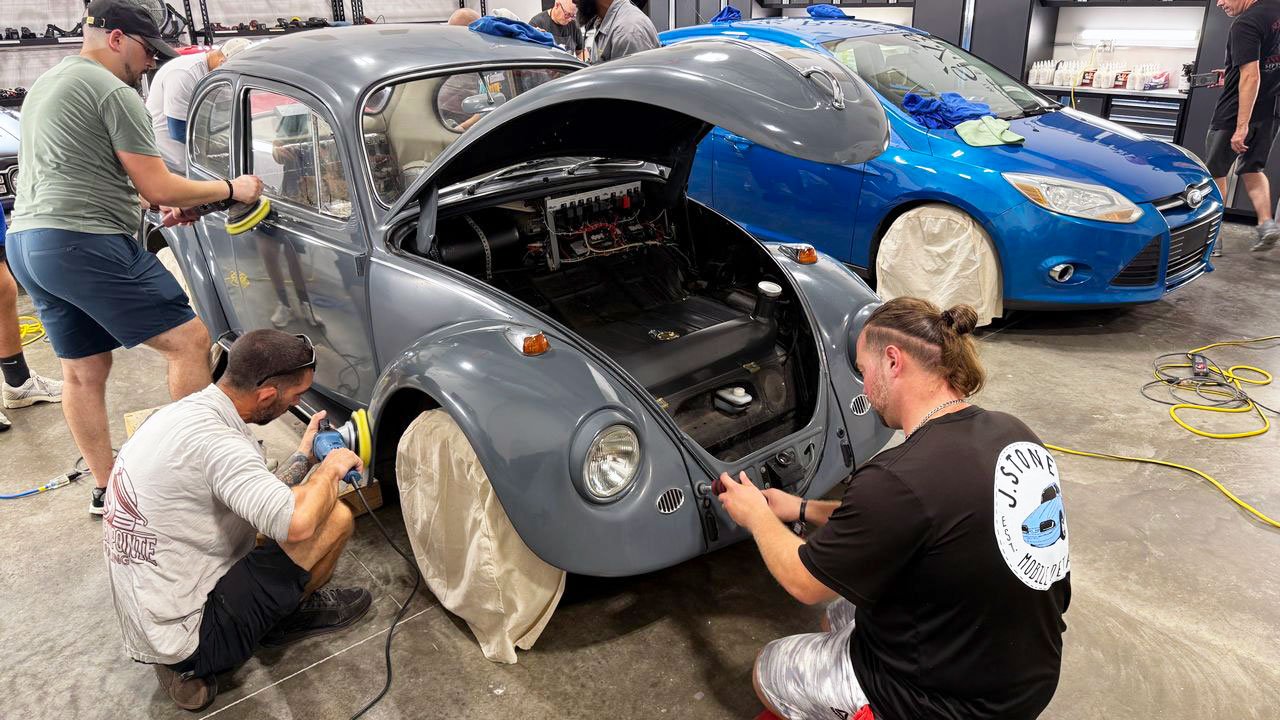
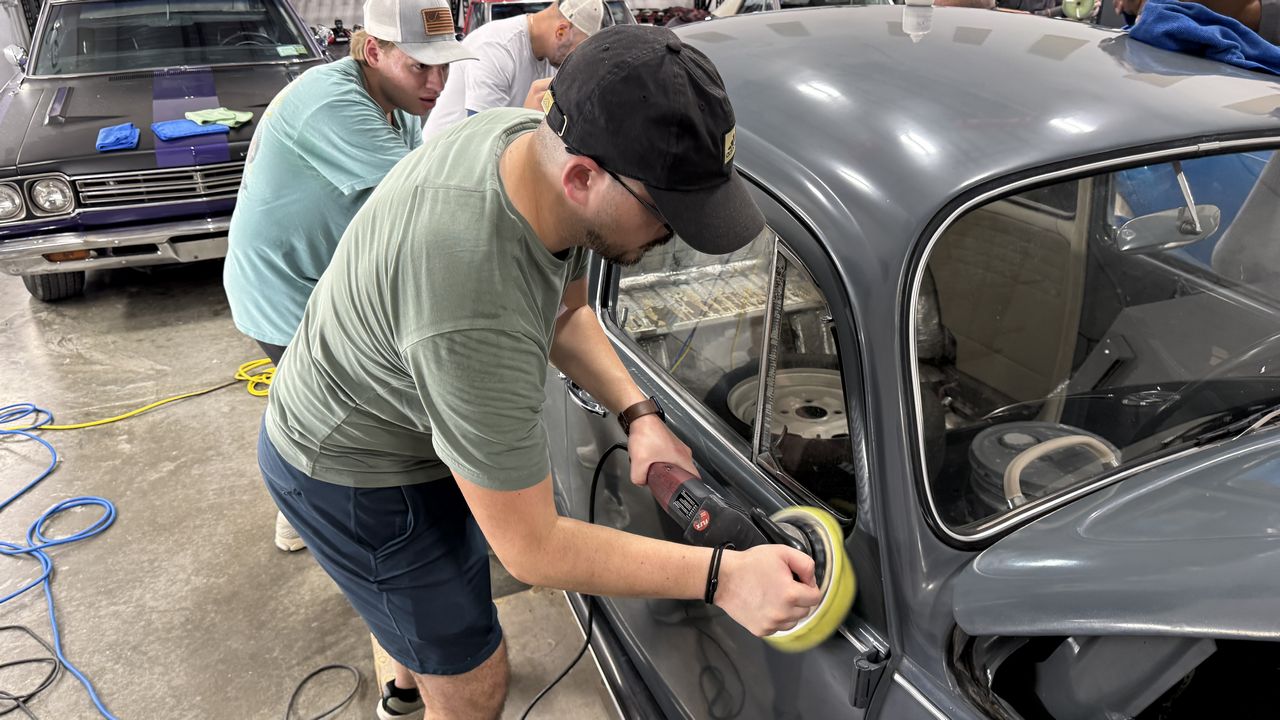
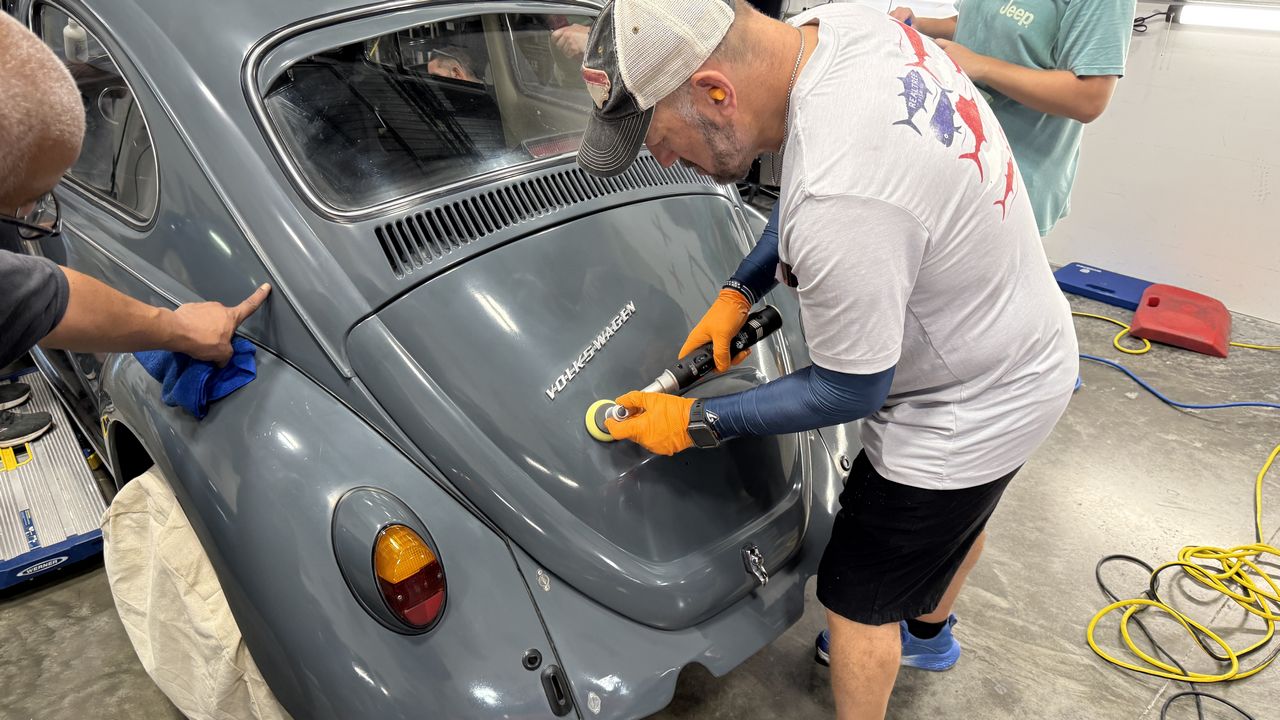
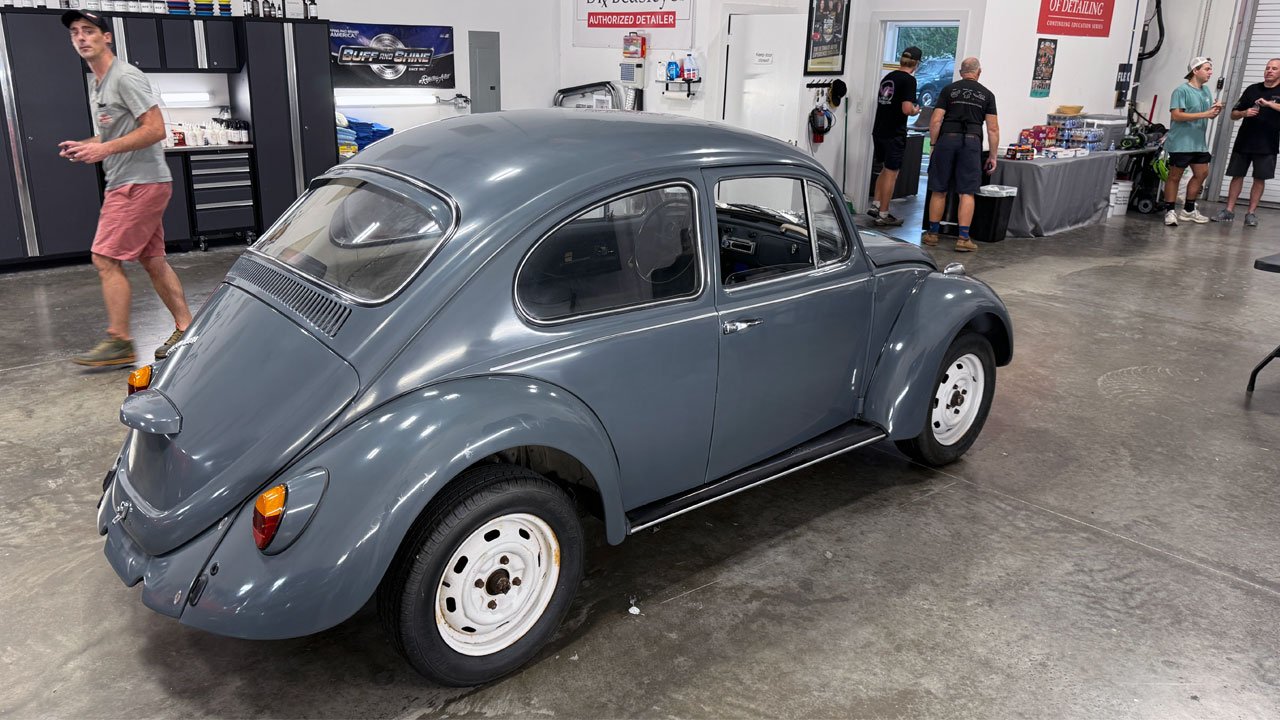
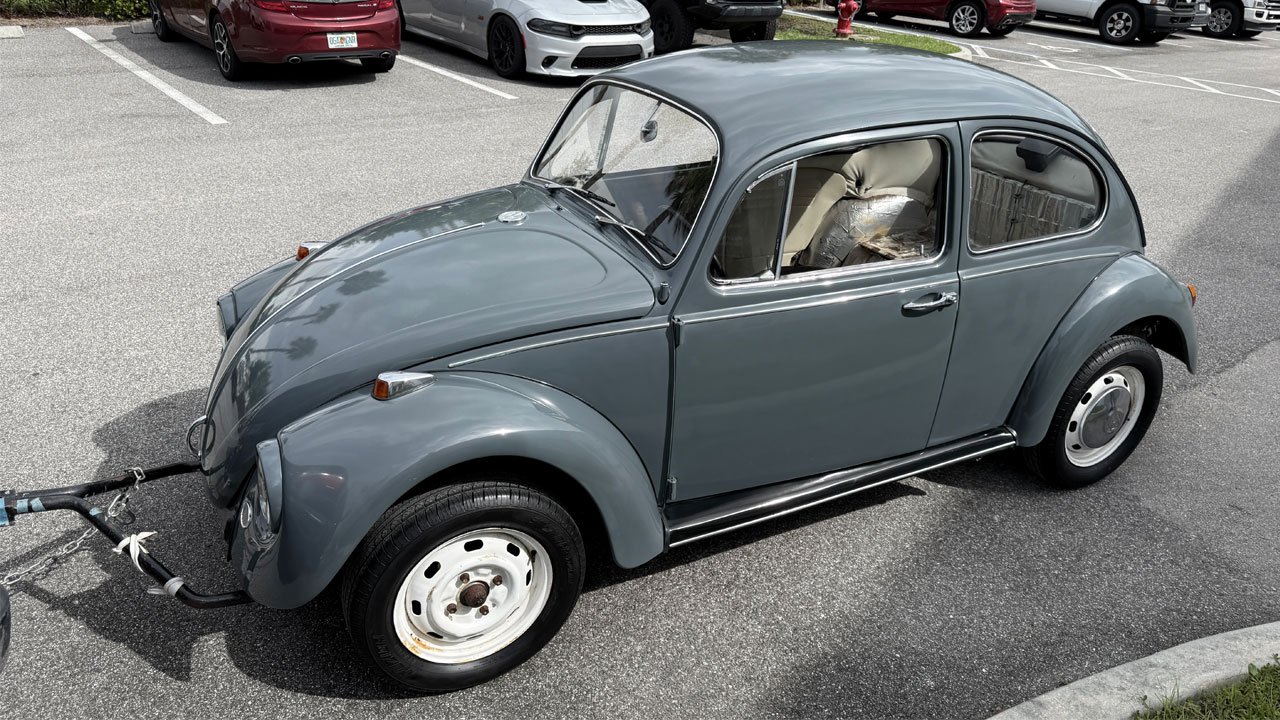
This 1967 VW Bug was painted only about 2 years ago, but then it sat outside exposed to the sun and weather.
The result?
 EXTREME OXIDATION!
The paint has lost its color, gloss and clarity and turned a dull, chalky white.
In other words...
PERFECT TRAINING CAR!
By this point in the class, everyone has already spent a LOT of hands-on time using:
 Rotary Polishers
 Gear-Driven Orbital Polishers
For the first four cars, I intentionally had the students use gear-driven orbital polishers so they could become accustomed to one very important characteristic:
Now I turn them loose.
Want to continue using a gear-driven orbital? Go for it!
Want to try a free-spinning random orbital? Absolutely!
In fact, I ENCOURAGE them to try both.
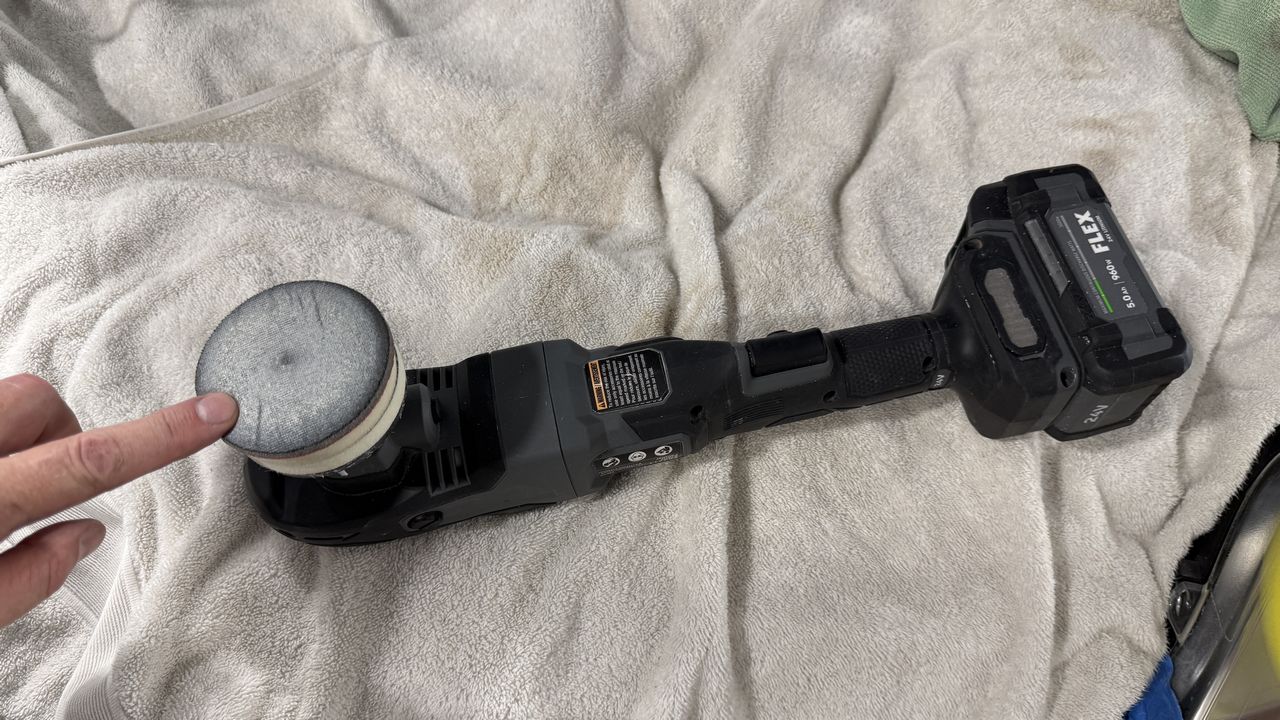
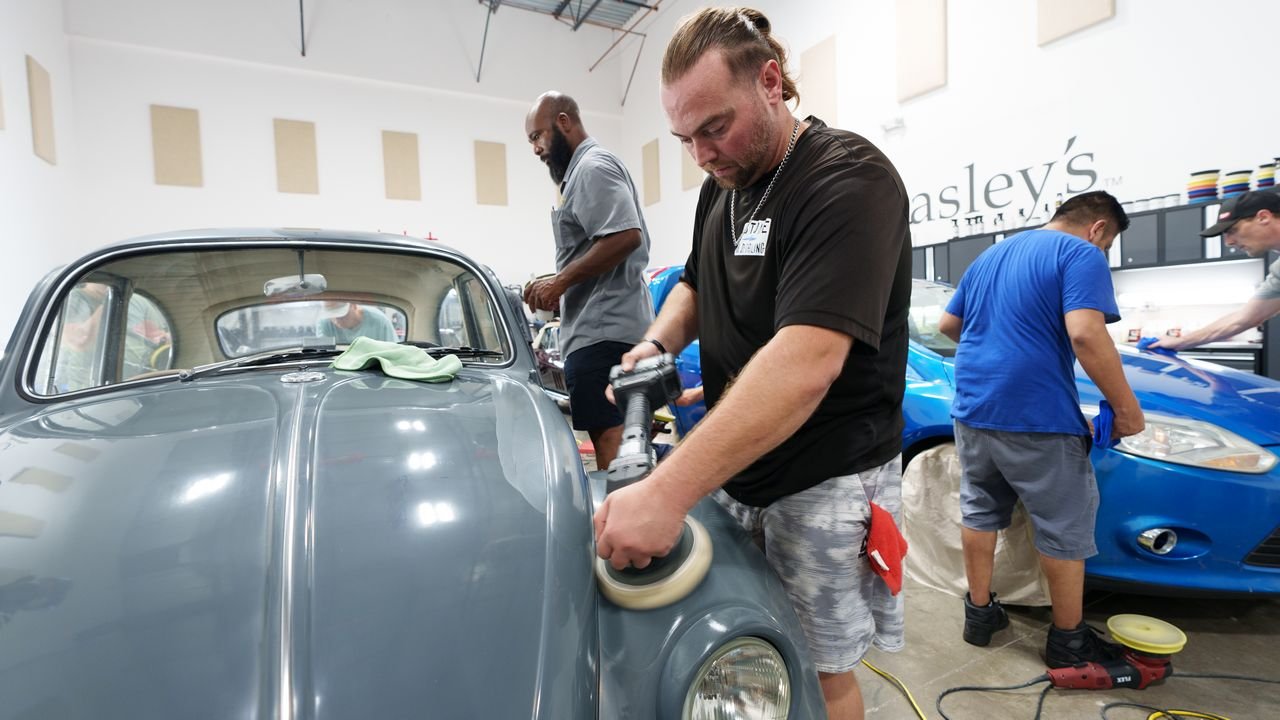
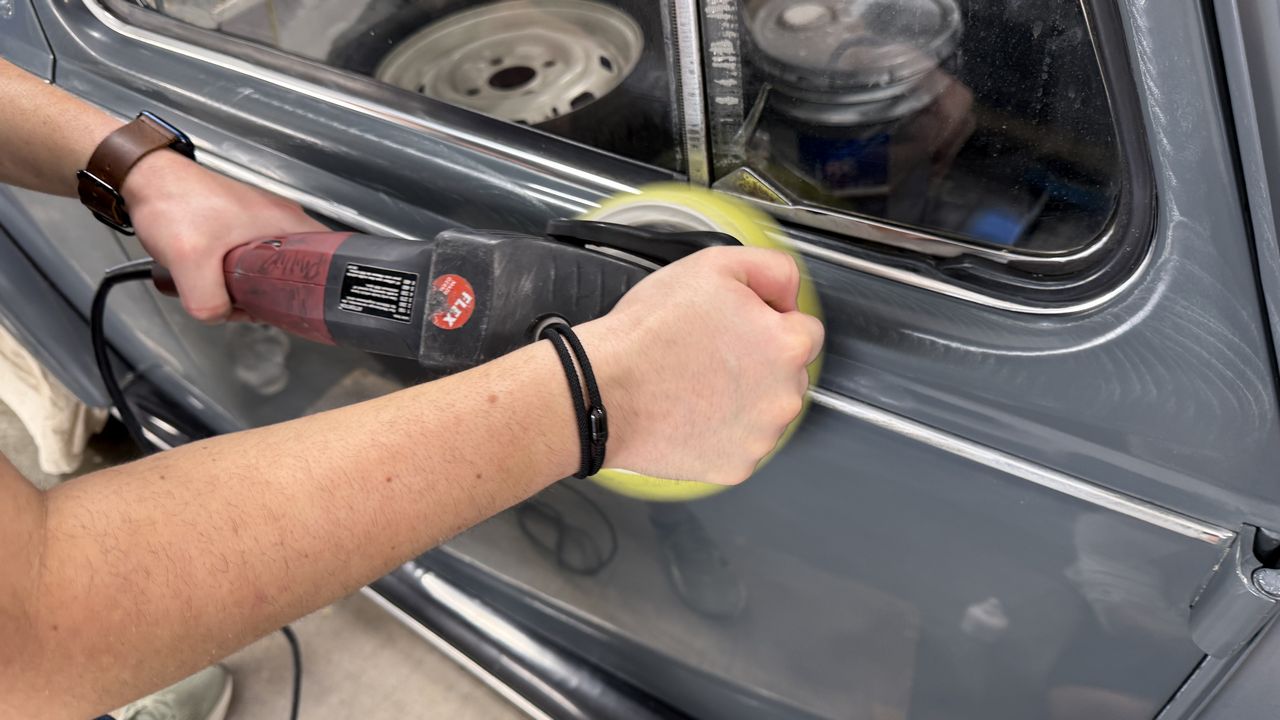
If they choose a free-spinning random orbital, I show them how to mark the buffing pad and backing plate so they can easily SEE whether the pad is rotating—or stalling.
And that's when the light bulb comes on.
After spending the first four cars experiencing ZERO PAD STALLING, they immediately recognize what happens when a free-spinning random orbital encounters curves, body lines, increased pressure or other conditions that cause the pad to slow down or stop rotating.

 BRAIN DRAIN!
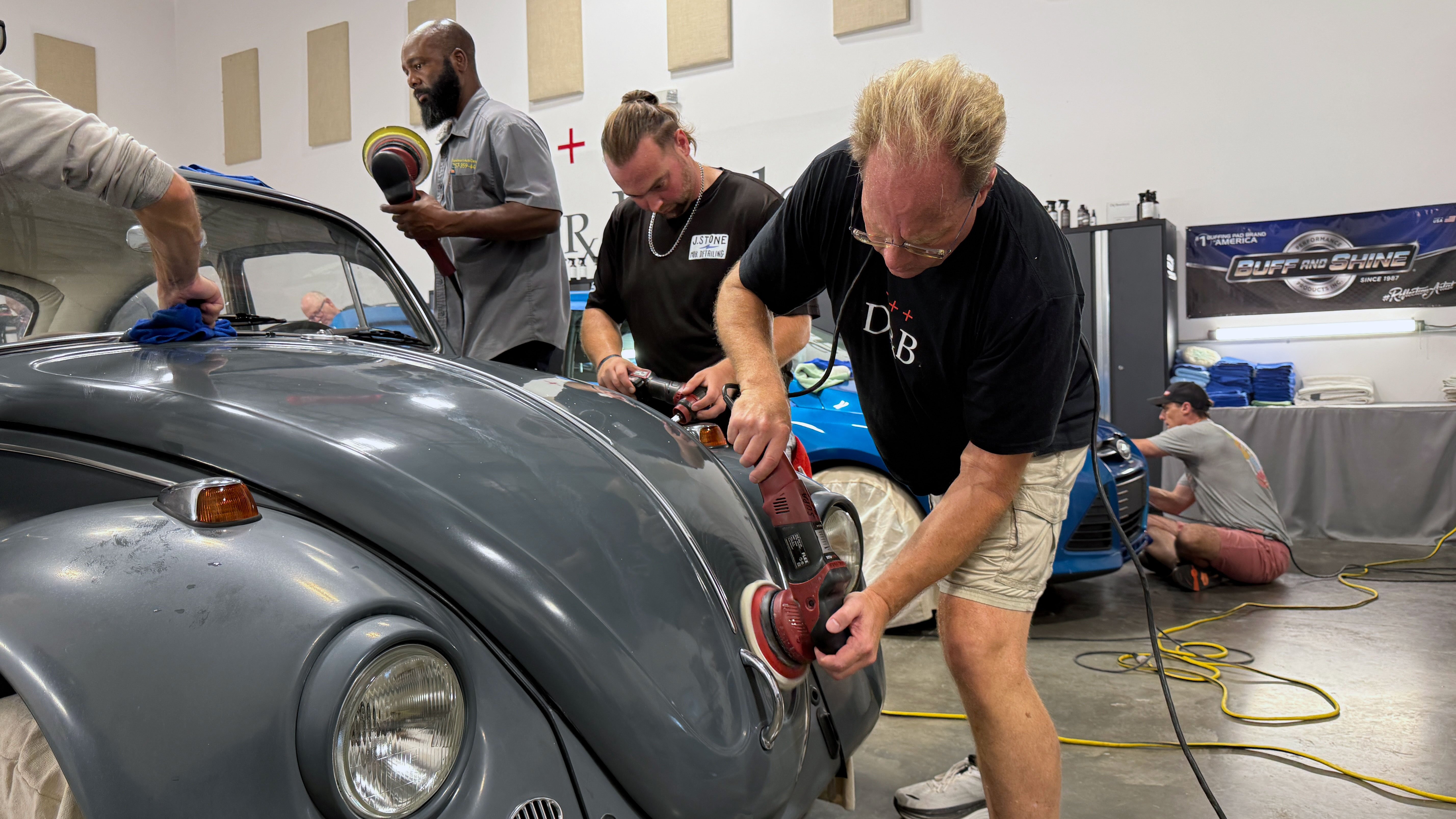
Instead of simply taking my word for it, THEY EXPERIENCE THE DIFFERENCE FOR THEMSELVES.
That's the whole point.
REAL-WORLD, HANDS-ON EXPERIENCE!
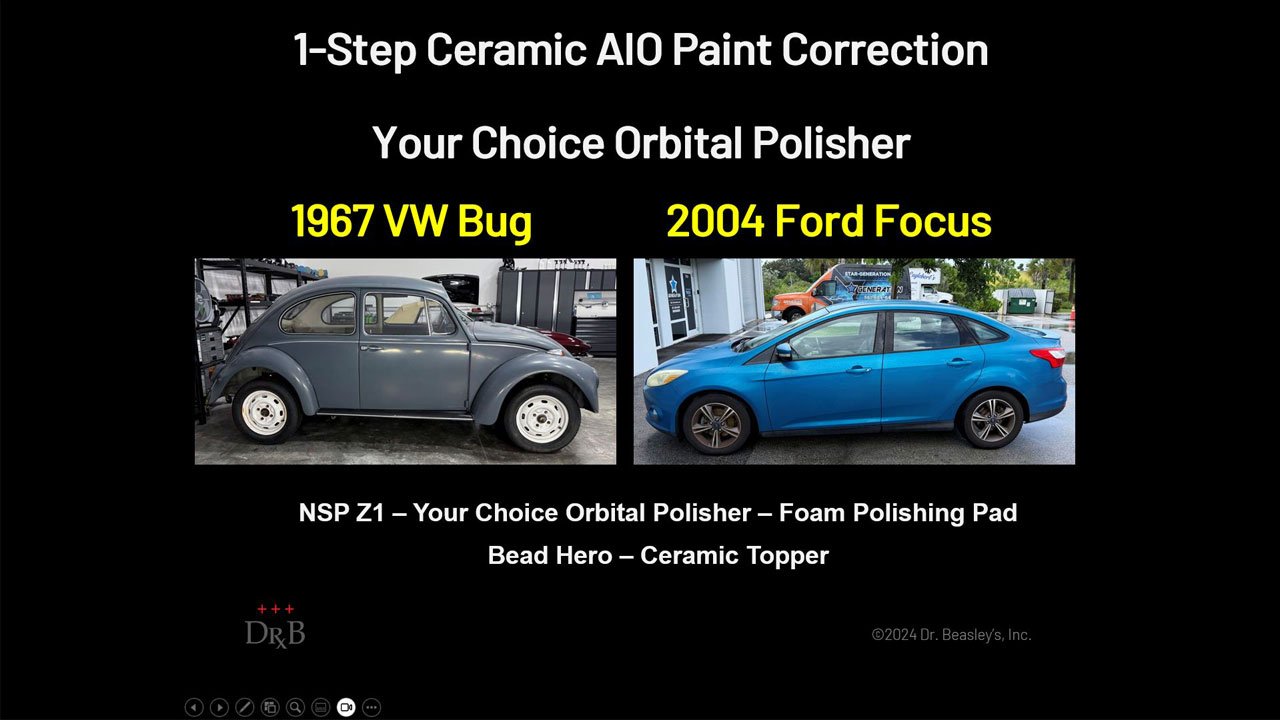
For this Bug we're keeping the process simple:
 Dr. Beasley’s NSP Z1
Your Choice Orbital Polisher
 Foam Polishing Pad
 Bead Hero Ceramic Topper
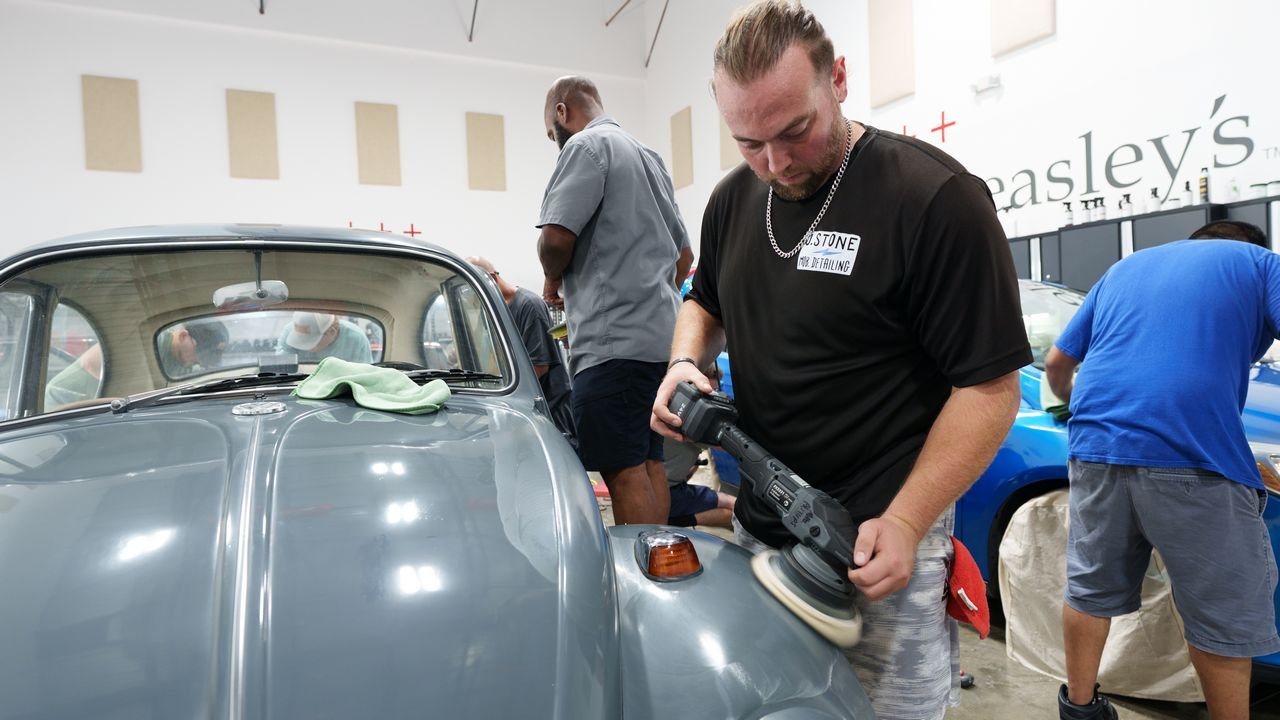
One correction step to restore the neglected paint, followed by a ceramic topper—and the students get to choose the orbital polisher they want to use.
And something interesting happens...
Most of them KEEP REACHING FOR THE GEAR-DRIVEN POLISHERS!
Not because I told them to.
Because now they understand the difference.
 LEARN IT. USE IT. COMPARE IT. MAKE UP YOUR OWN MIND.
That's what REAL hands-on training is all about.
And wait until you see what happens to this chalky old Bug!


Mike
TRAINING CAR #5 — THIS POOR BUG NEEDS SOME LOVE!
Next up is our 3rd MAJOR TOPIC for Saturday: 1-STEP CERAMIC AIO PAINT CORRECTION
This 1967 VW Bug was painted only about 2 years ago, but then it sat outside exposed to the sun and weather.The result?
EXTREME OXIDATION!The paint has lost its color, gloss and clarity and turned a dull, chalky white.
In other words...
PERFECT TRAINING CAR!
By this point in the class, everyone has already spent a LOT of hands-on time using: Rotary Polishers Gear-Driven Orbital PolishersFor the first four cars, I intentionally had the students use gear-driven orbital polishers so they could become accustomed to one very important characteristic:
ZERO PAD STALLING!
Now I turn them loose. YOUR CHOICE ORBITAL POLISHER!
Want to continue using a gear-driven orbital? Go for it!Want to try a free-spinning random orbital? Absolutely!
In fact, I ENCOURAGE them to try both.
If they choose a free-spinning random orbital, I show them how to mark the buffing pad and backing plate so they can easily SEE whether the pad is rotating—or stalling.
And that's when the light bulb comes on.
After spending the first four cars experiencing ZERO PAD STALLING, they immediately recognize what happens when a free-spinning random orbital encounters curves, body lines, increased pressure or other conditions that cause the pad to slow down or stop rotating.
BRAIN DRAIN!Instead of simply taking my word for it, THEY EXPERIENCE THE DIFFERENCE FOR THEMSELVES.
That's the whole point.
REAL-WORLD, HANDS-ON EXPERIENCE!
For this Bug we're keeping the process simple: Dr. Beasley’s NSP Z1 Your Choice Orbital Polisher Foam Polishing Pad Bead Hero Ceramic TopperOne correction step to restore the neglected paint, followed by a ceramic topper—and the students get to choose the orbital polisher they want to use.
And something interesting happens...
Most of them KEEP REACHING FOR THE GEAR-DRIVEN POLISHERS!
Not because I told them to.Because now they understand the difference.
LEARN IT. USE IT. COMPARE IT. MAKE UP YOUR OWN MIND.That's what REAL hands-on training is all about.
And wait until you see what happens to this chalky old Bug!
Mike
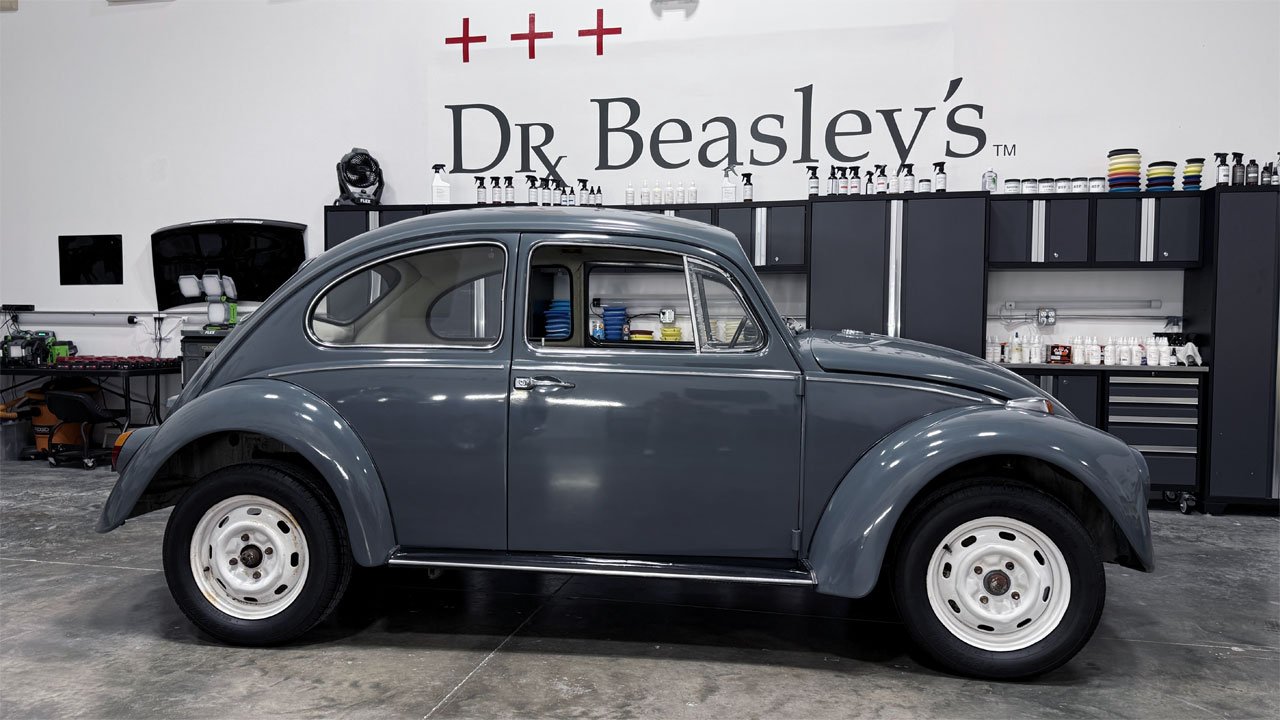
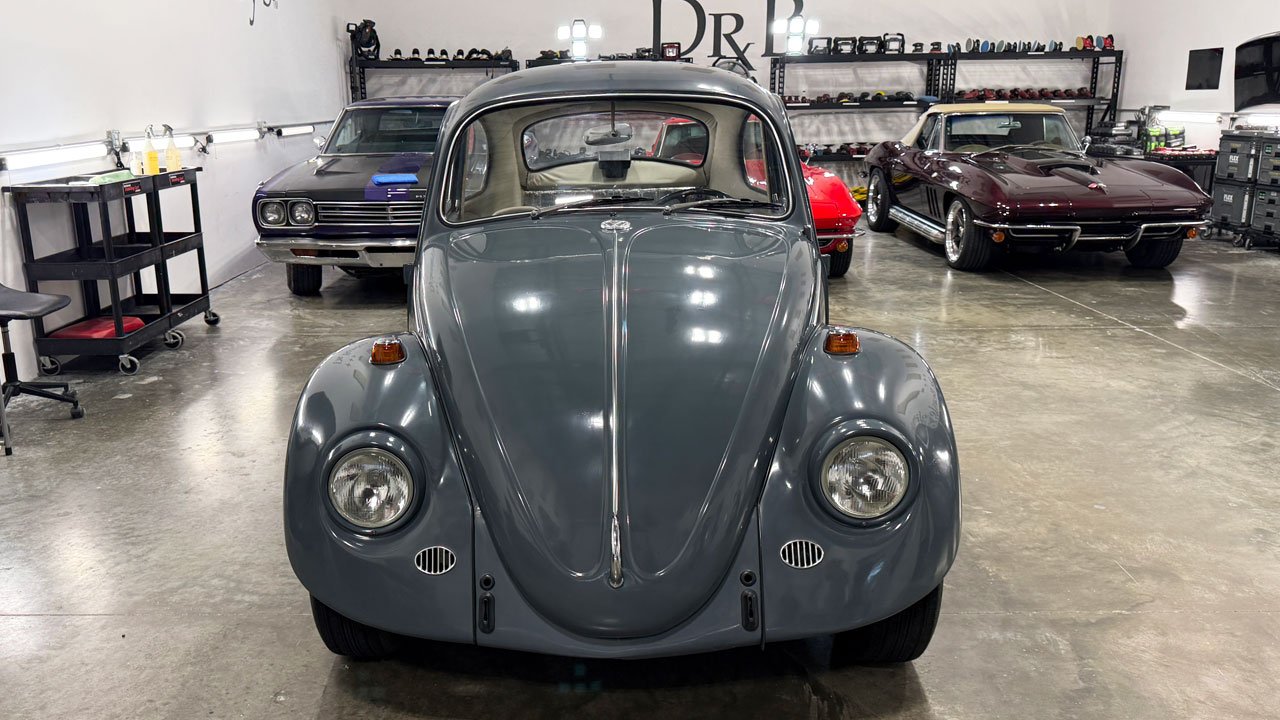
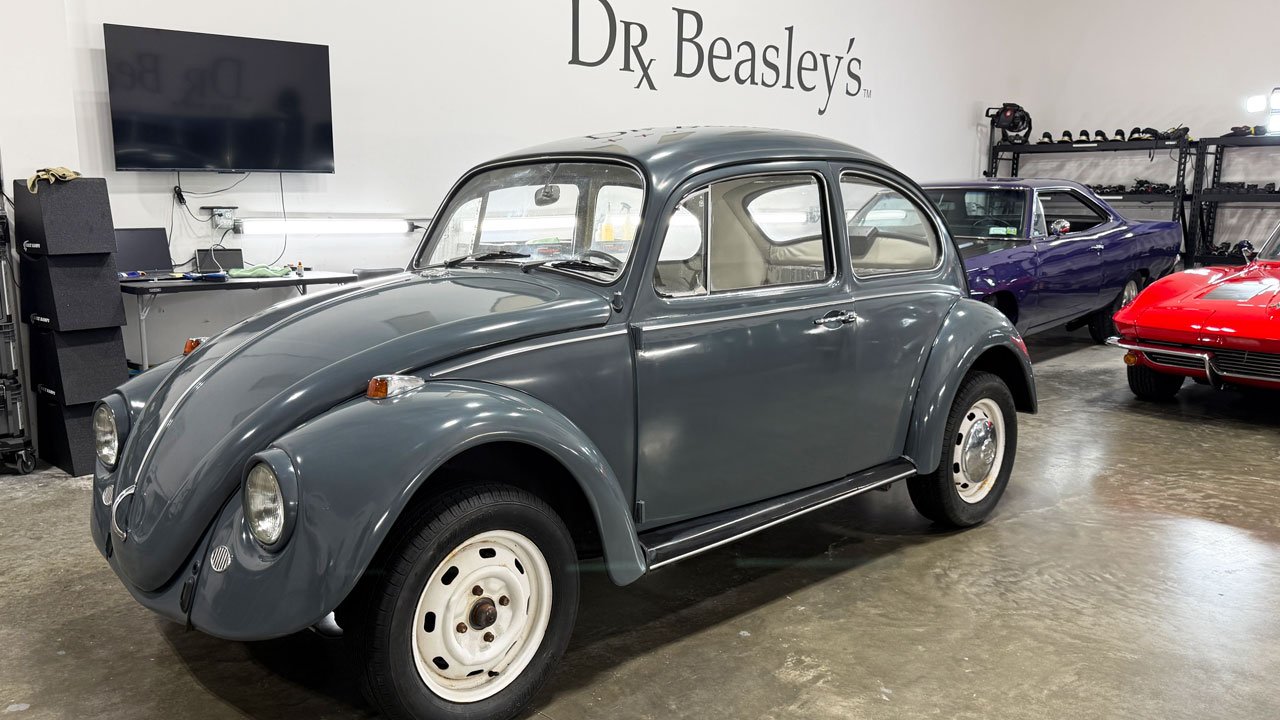
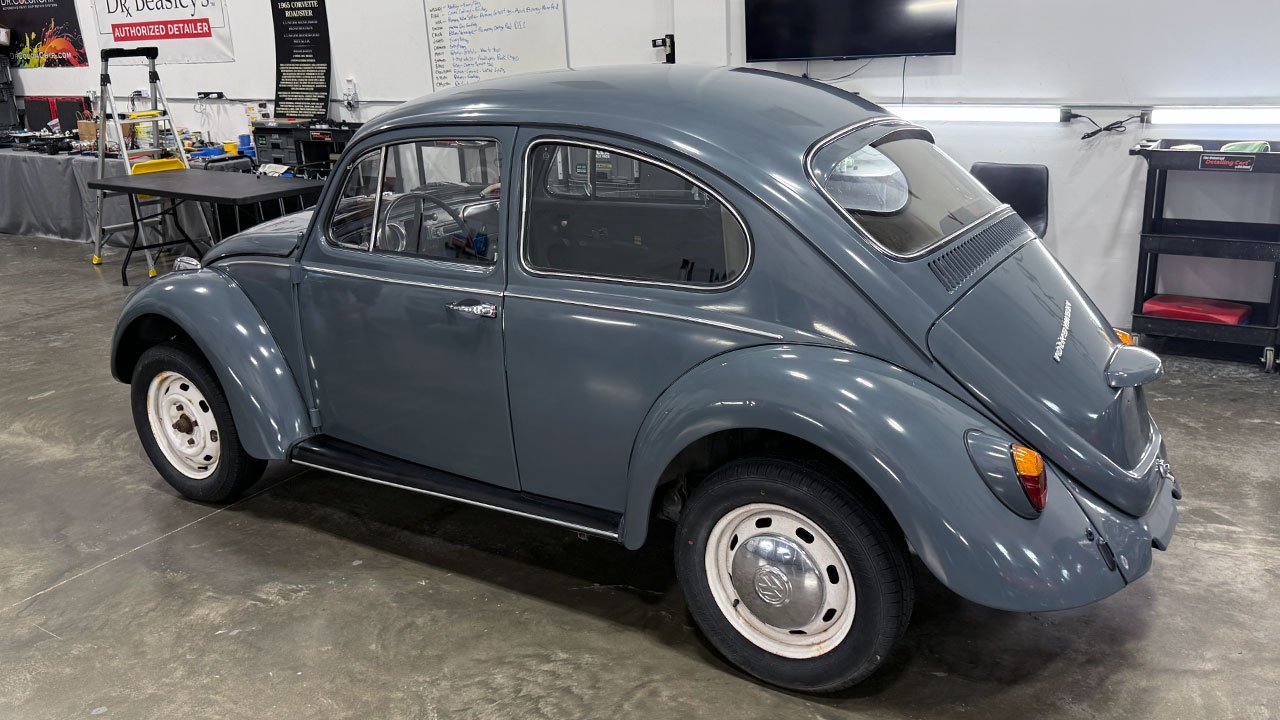
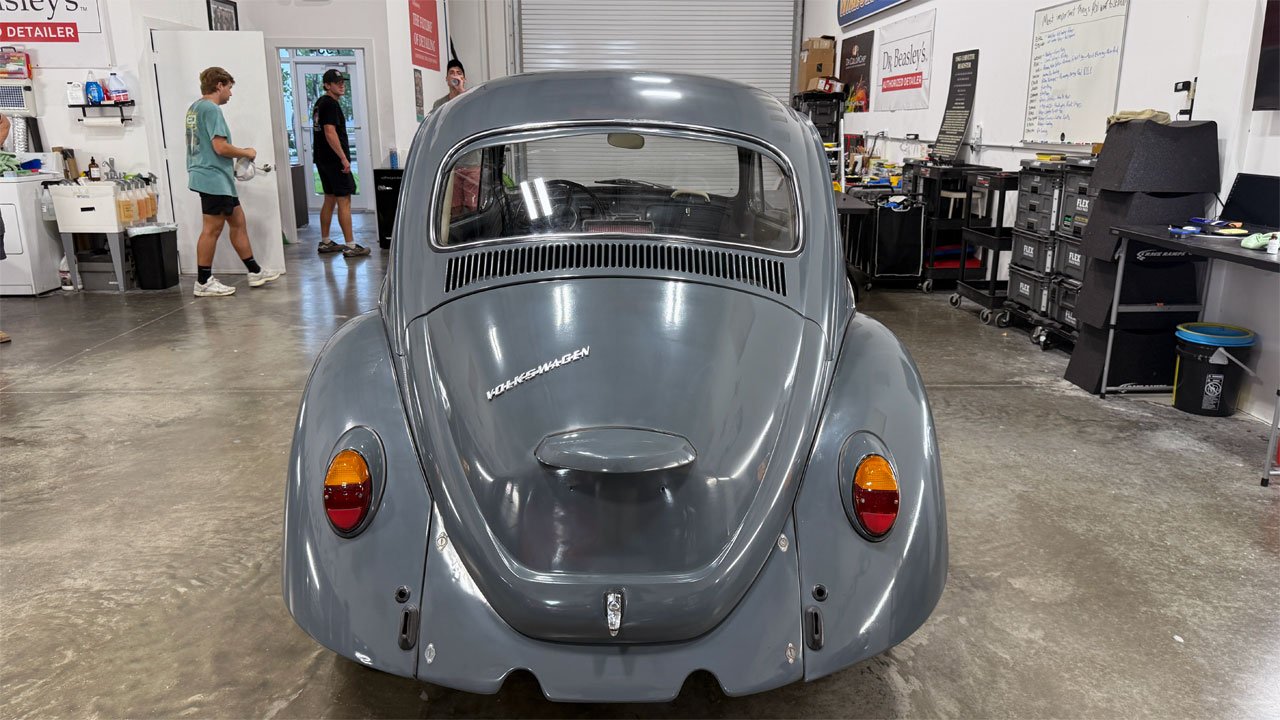
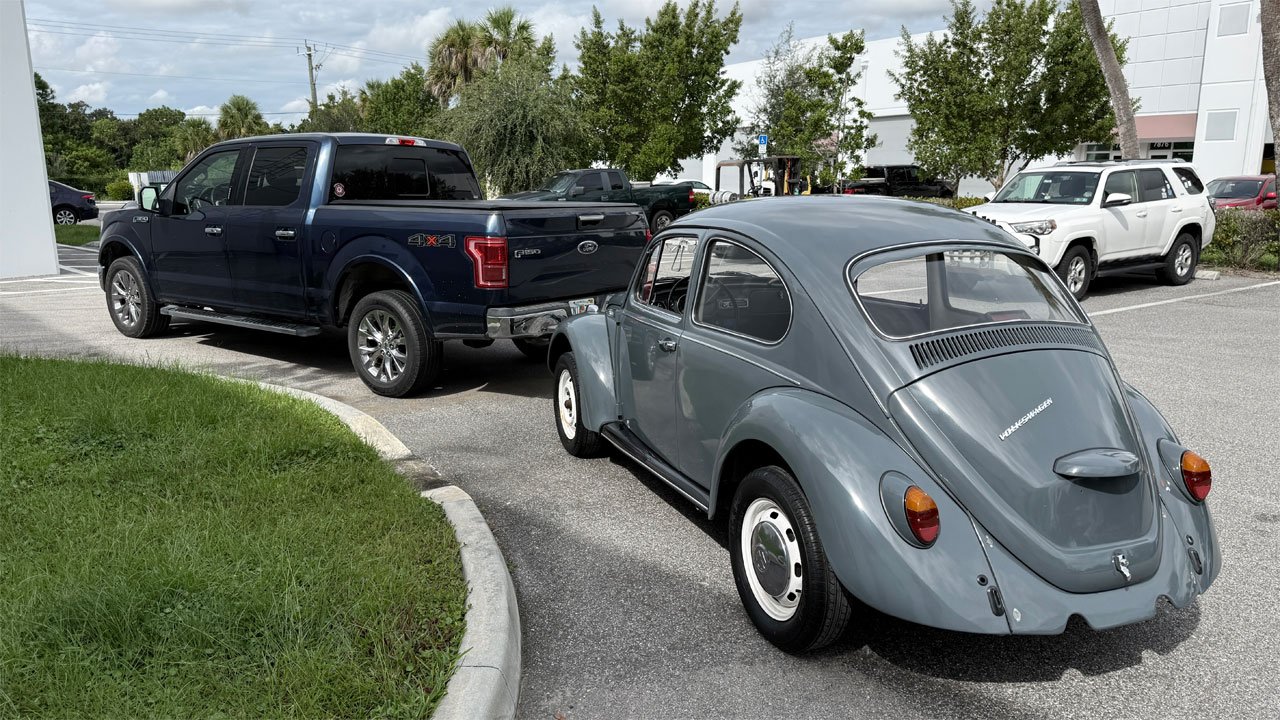
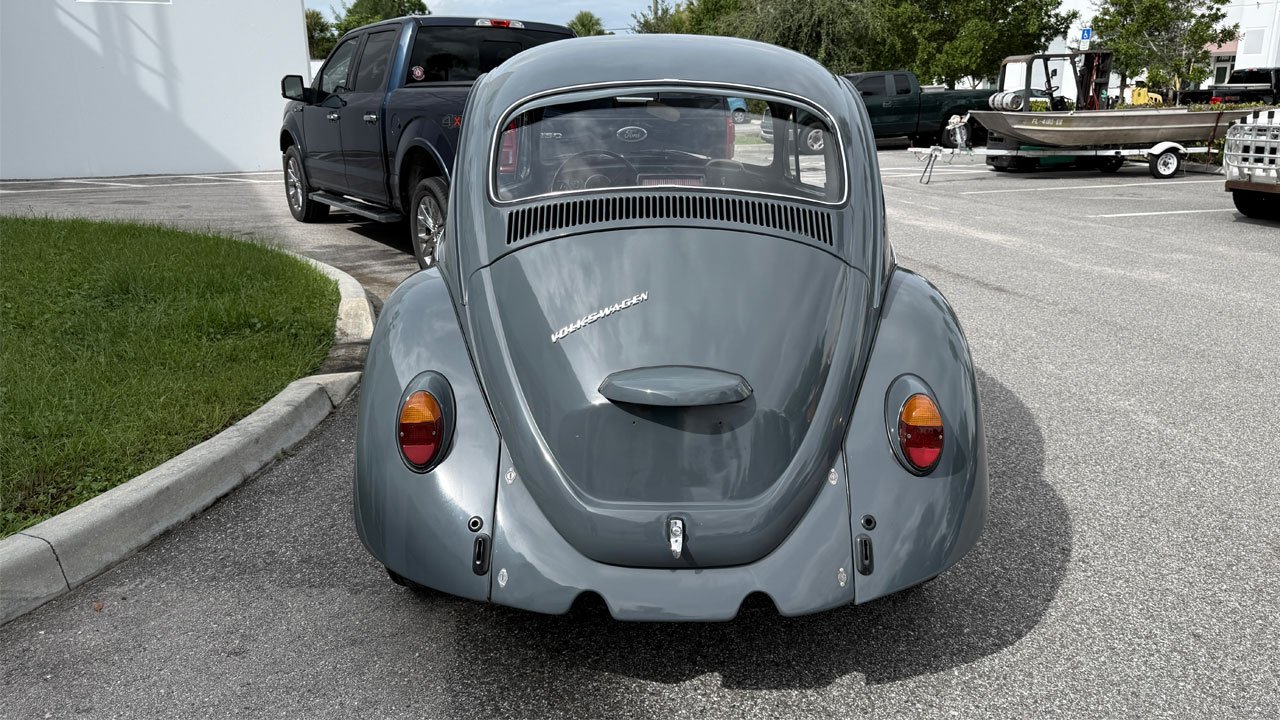
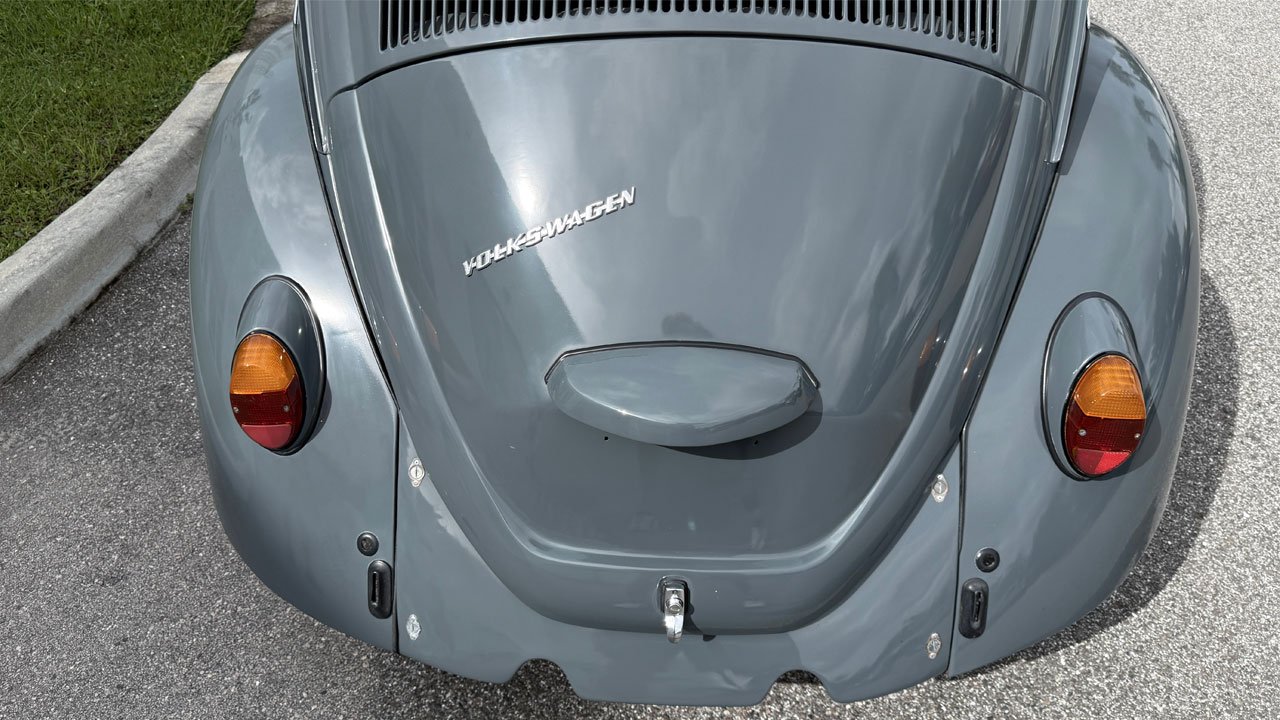
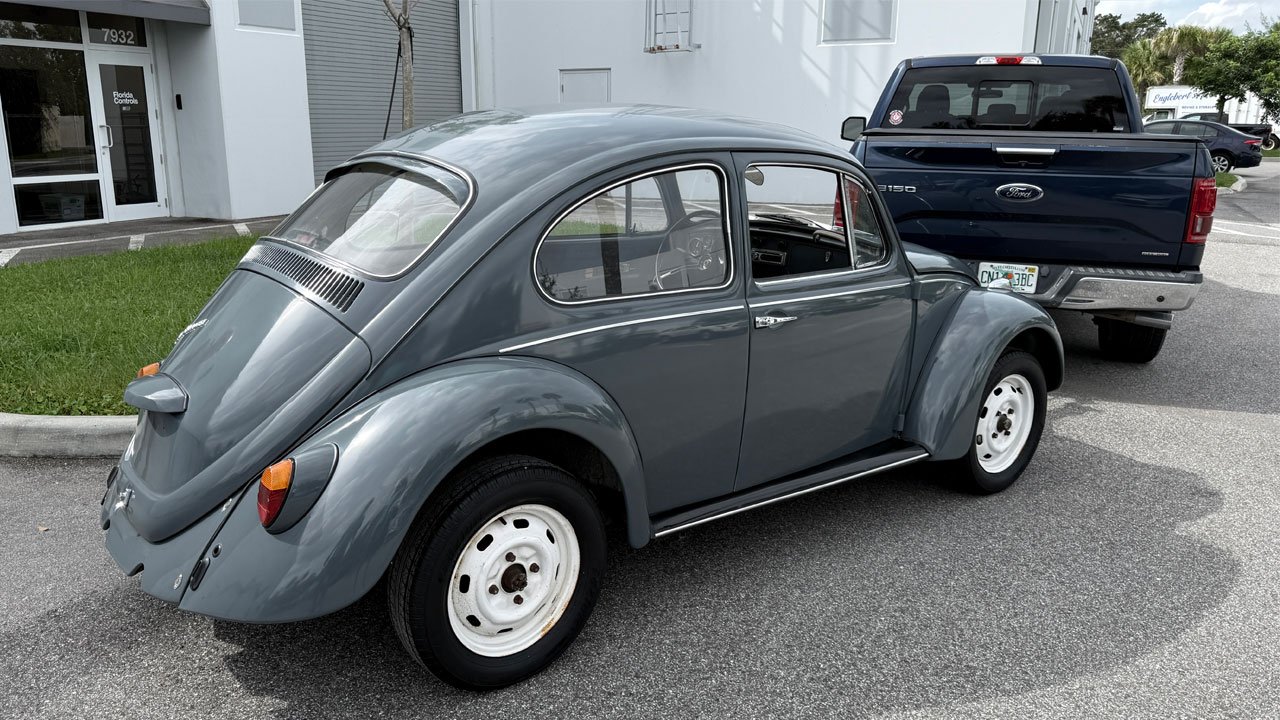
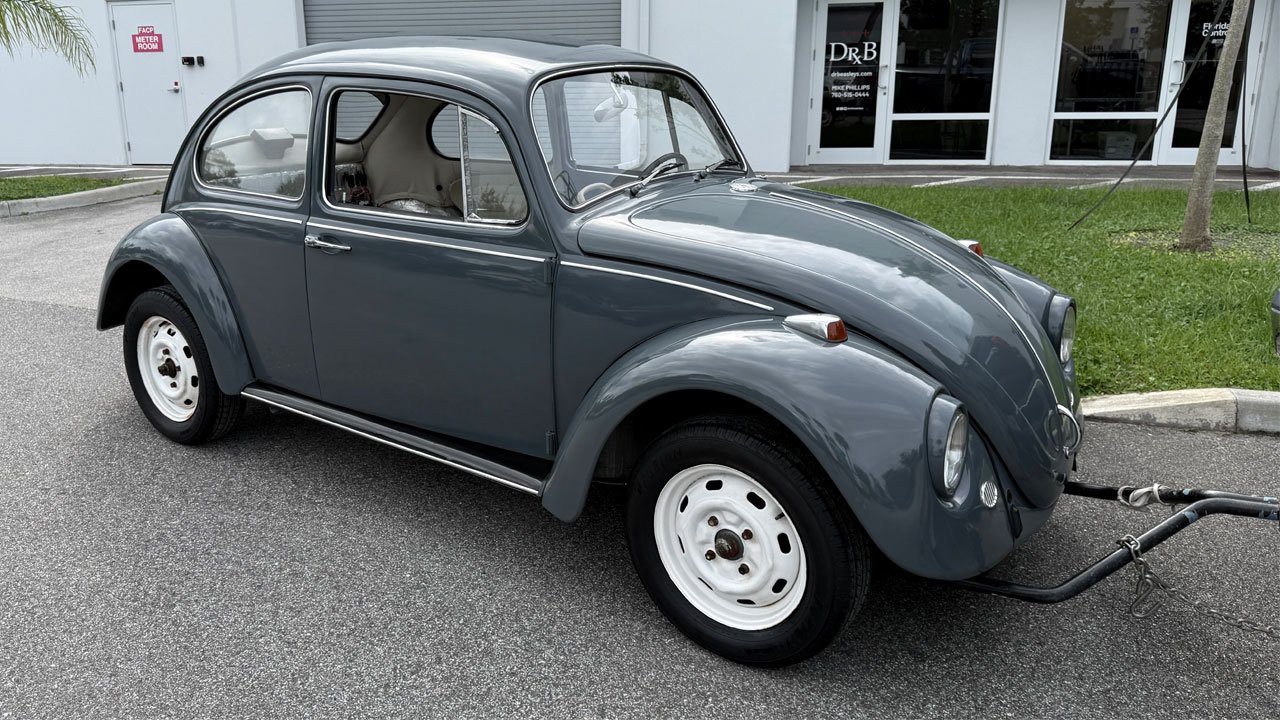
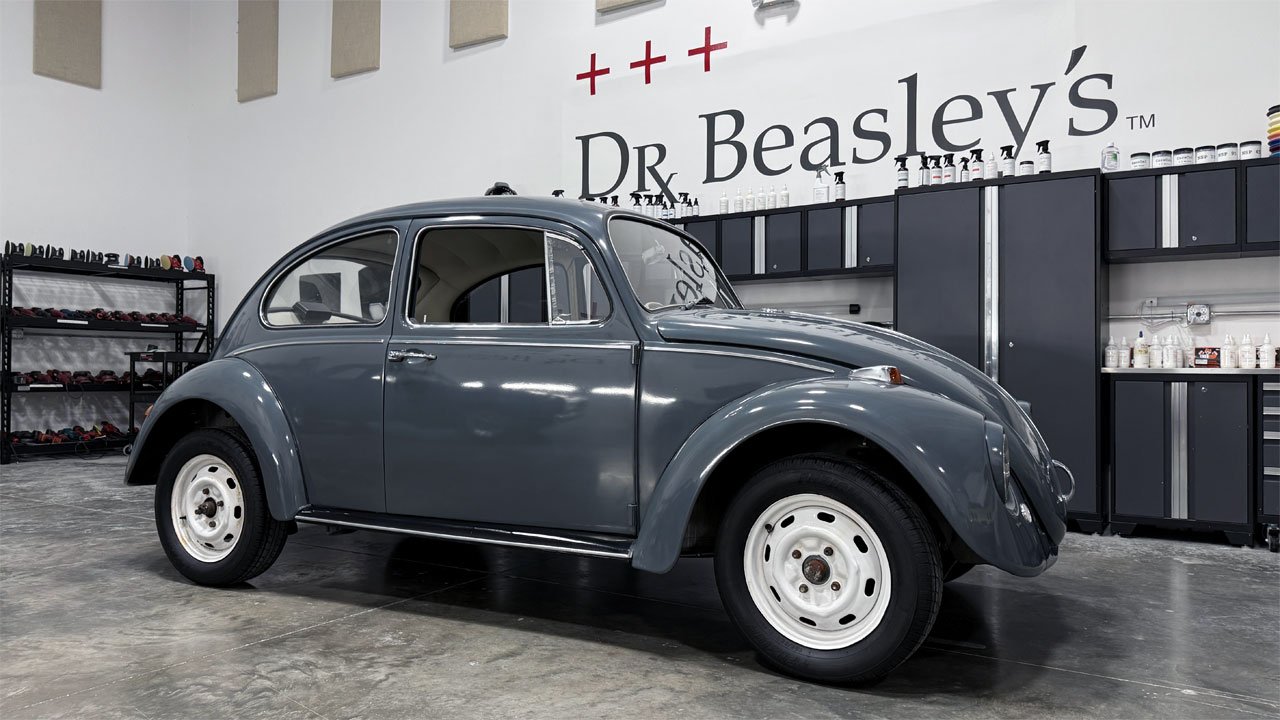
 From CHALKY to HEAD-TURNING! Check out the final results on this 1967 VW Bug!

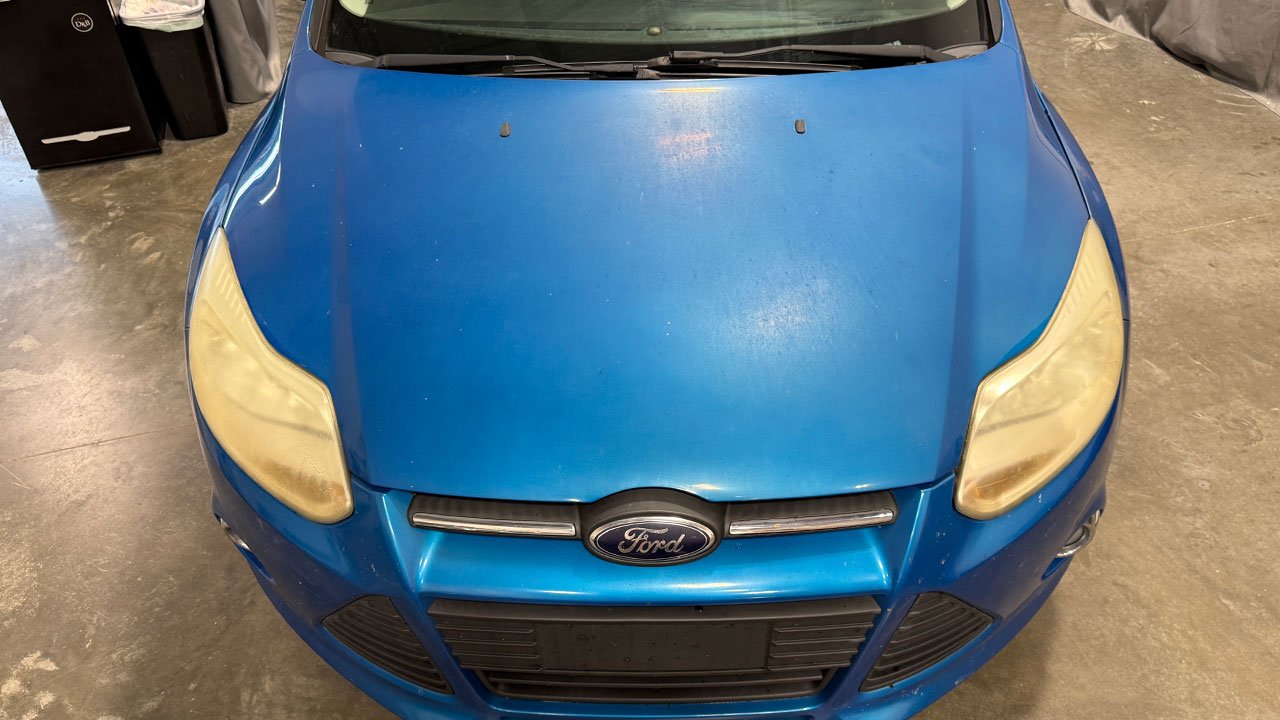
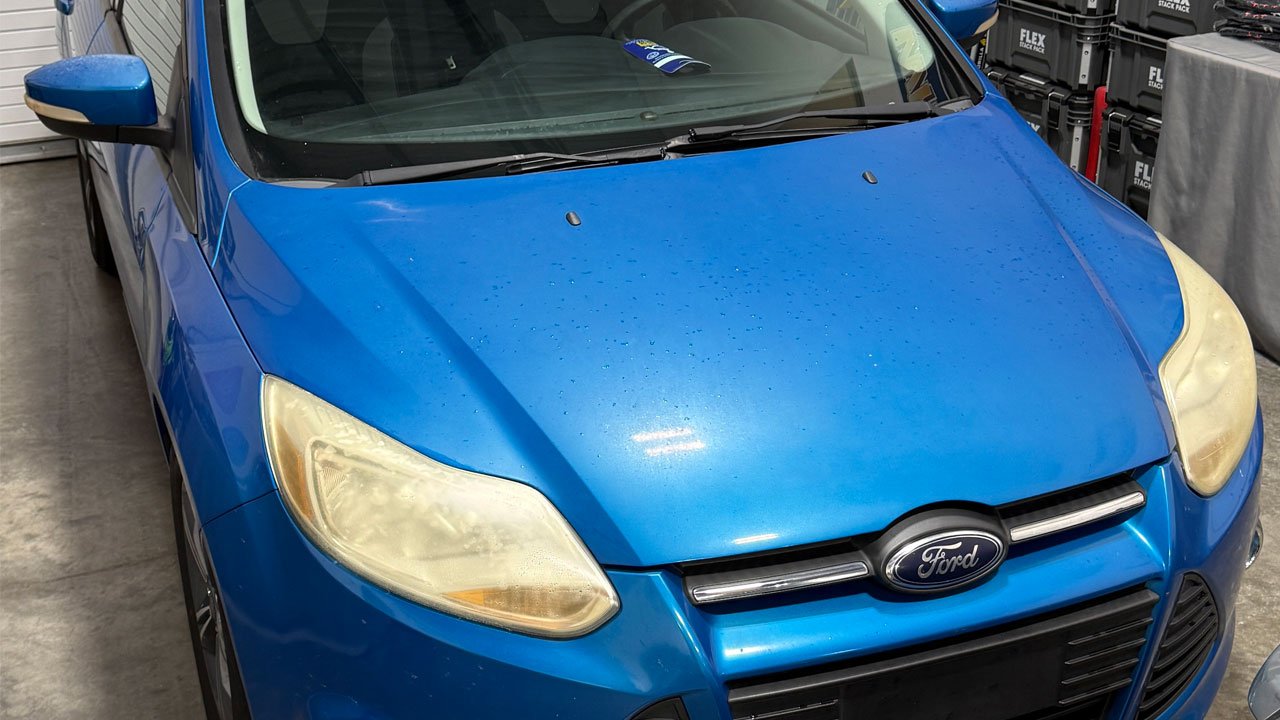
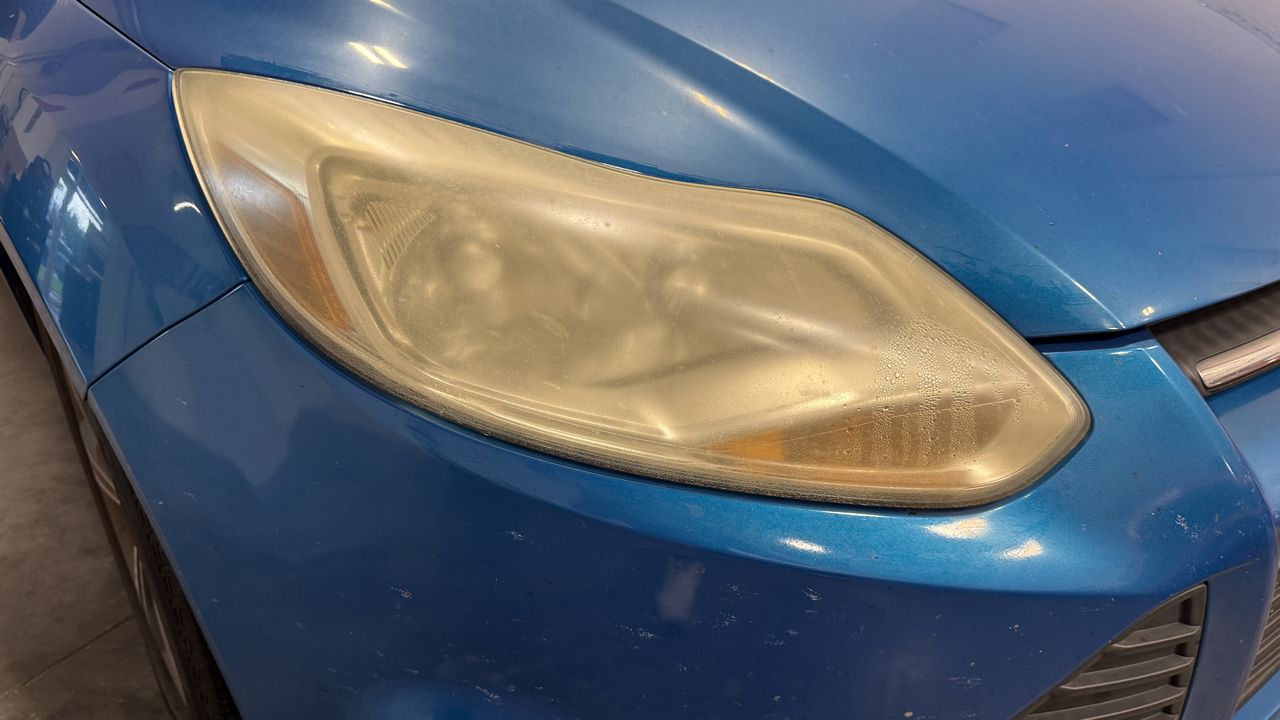
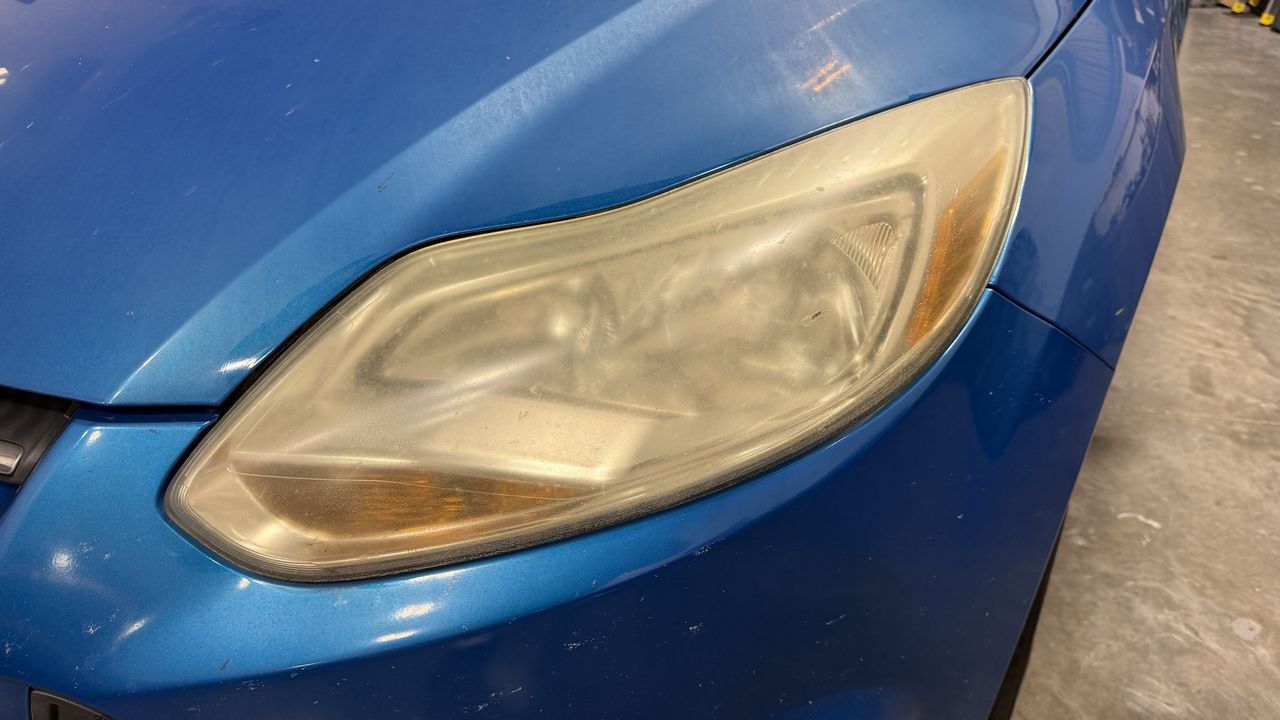
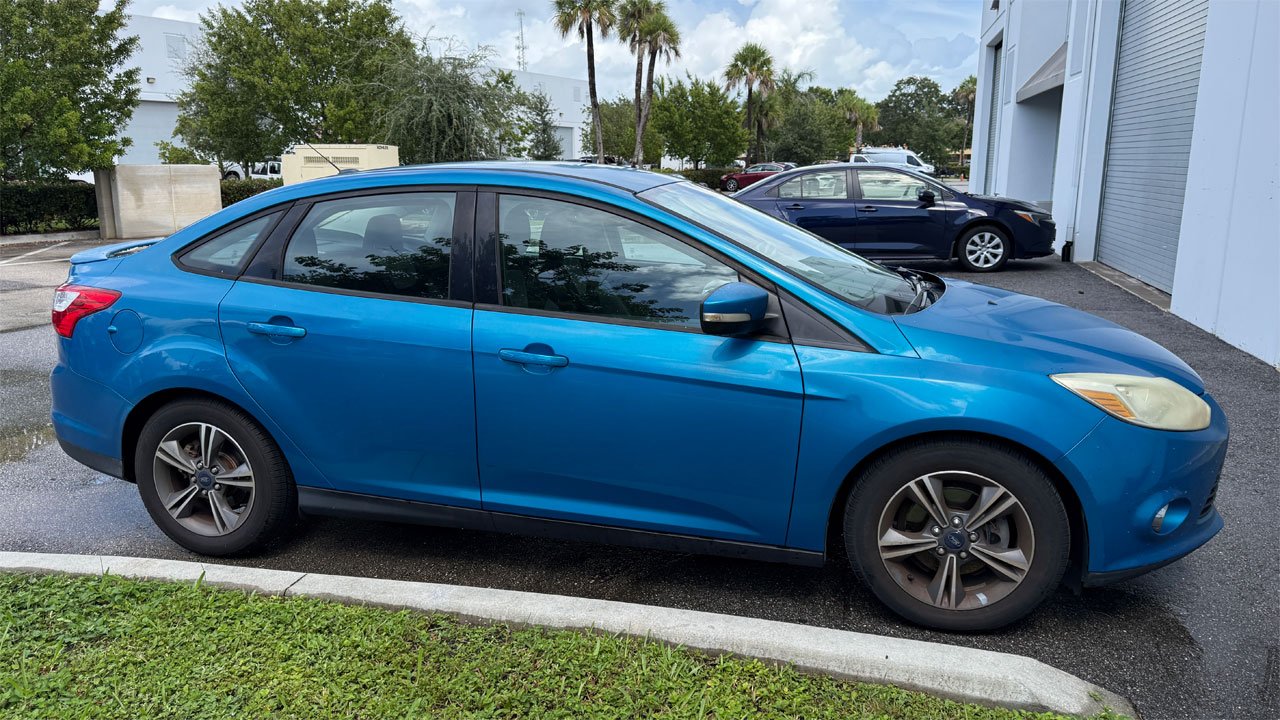
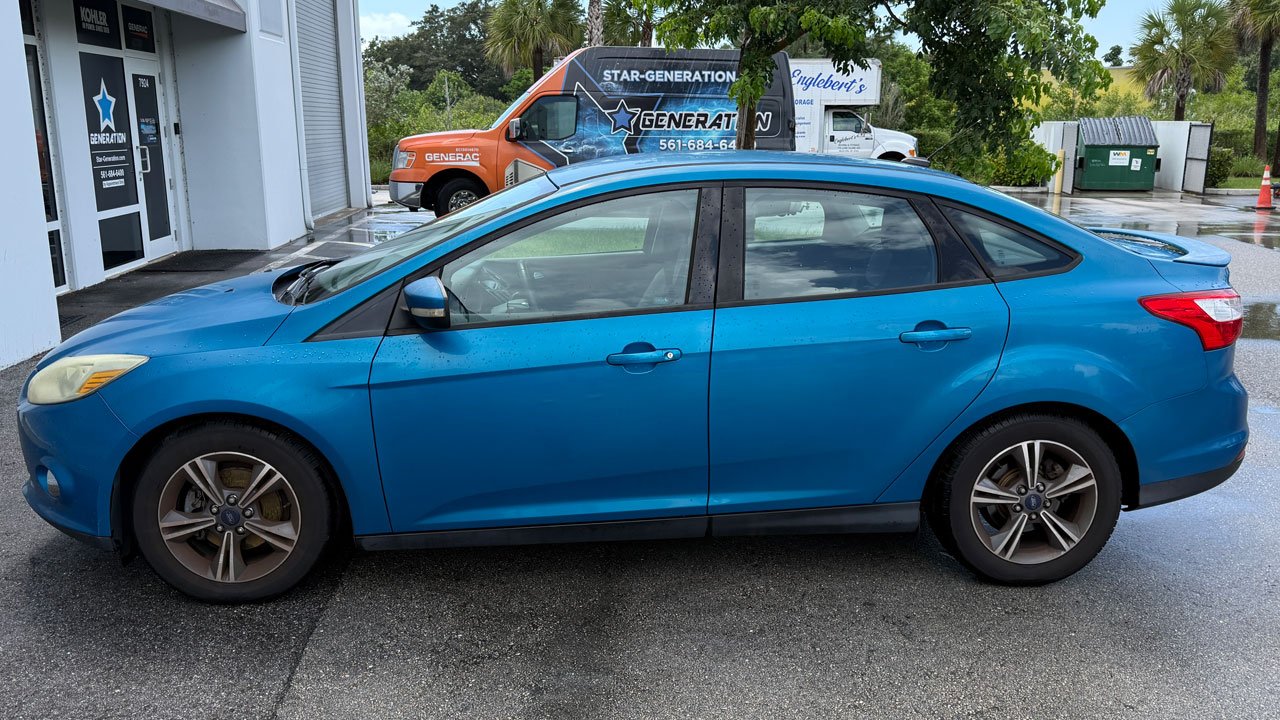
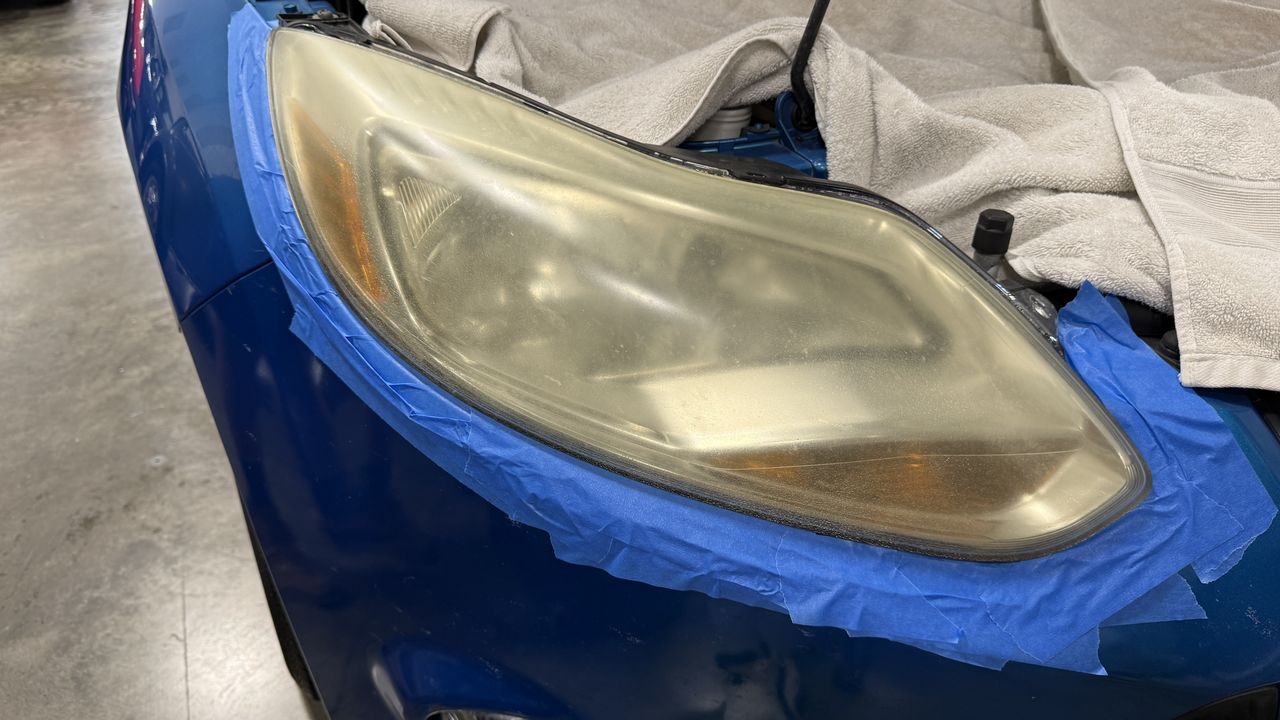
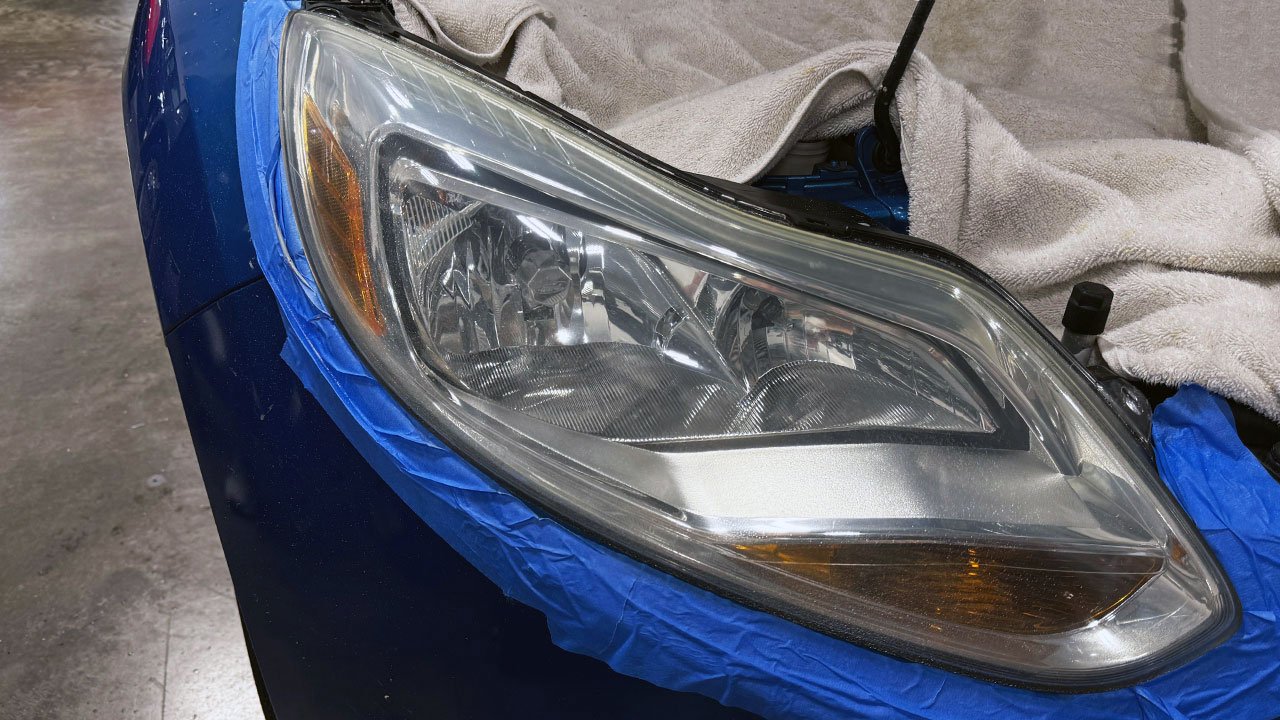
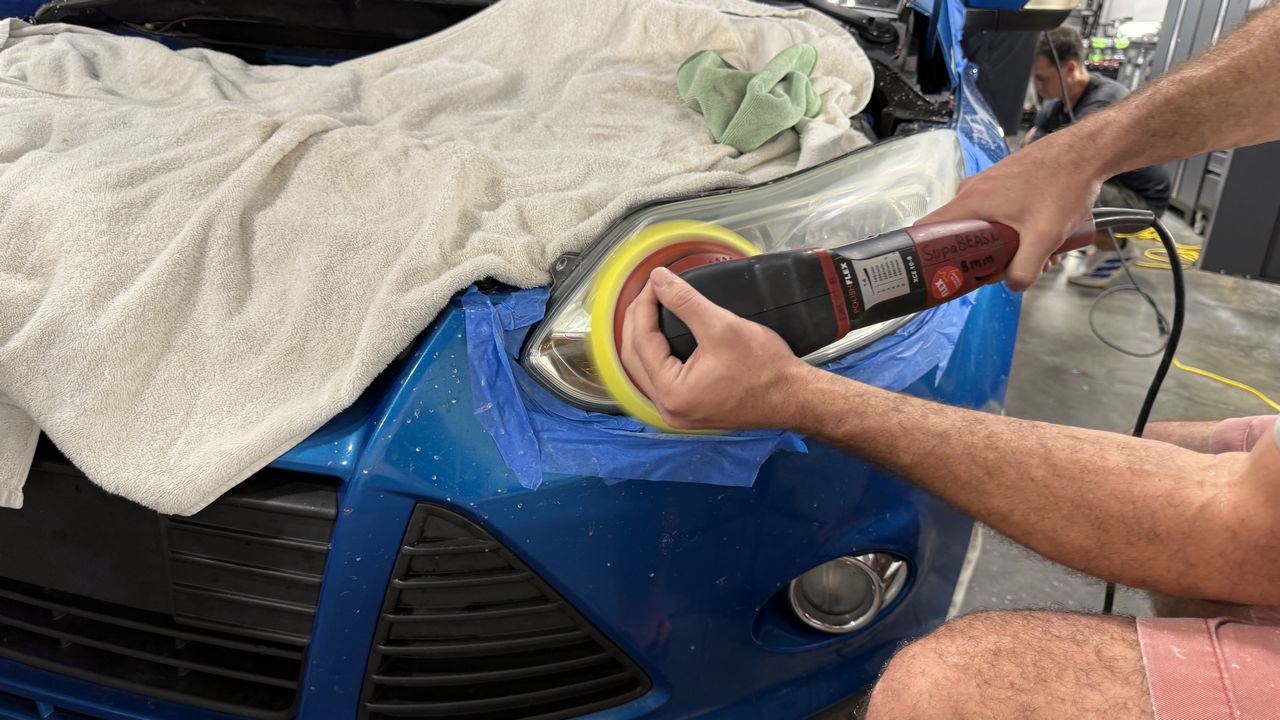
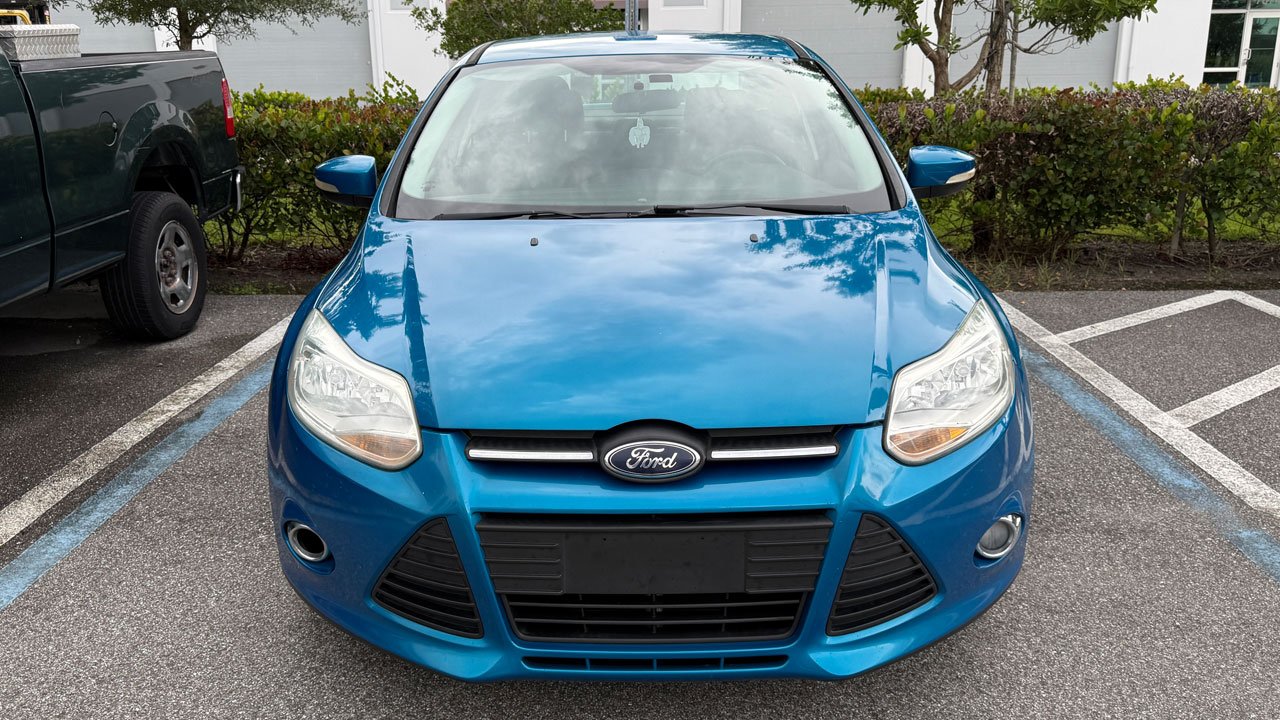
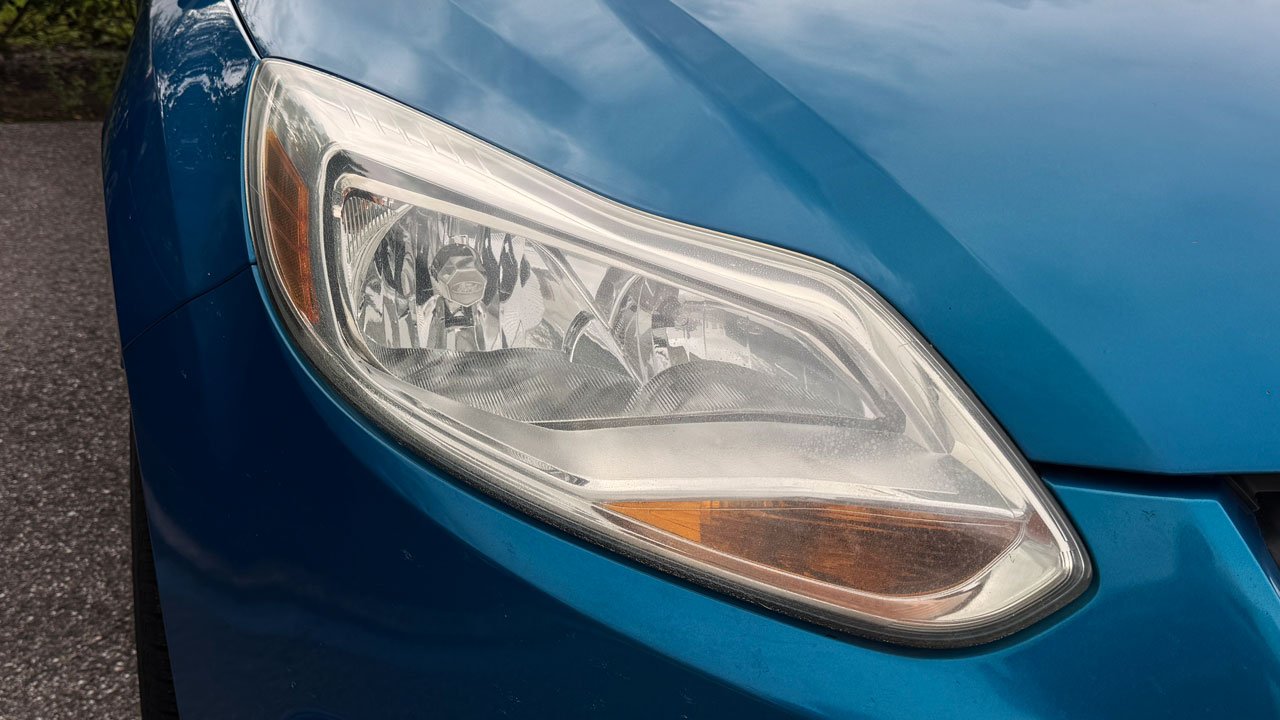
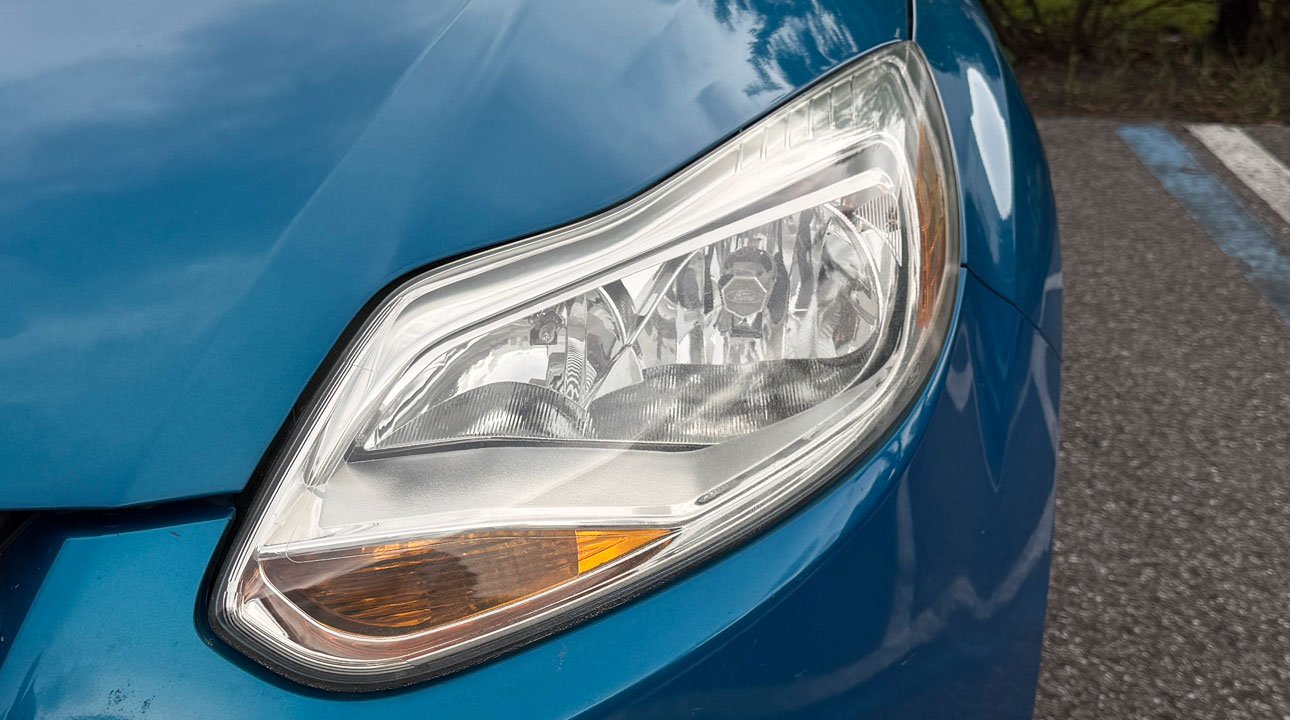
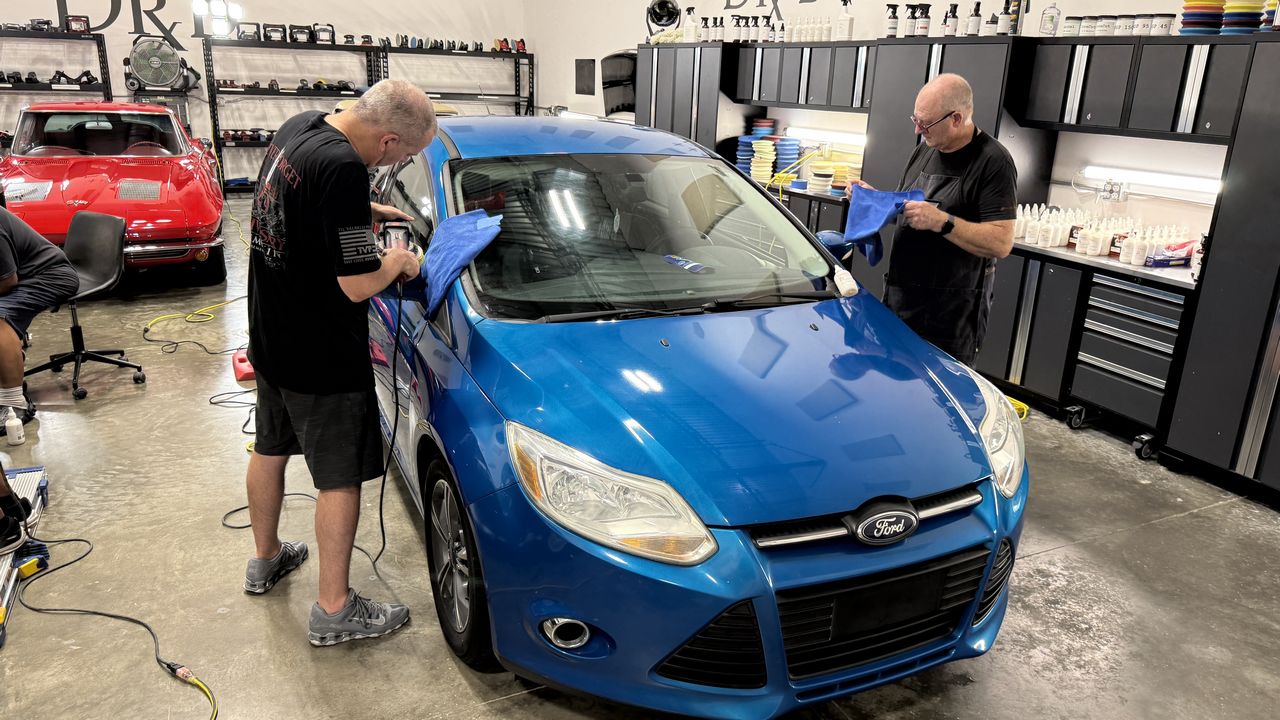
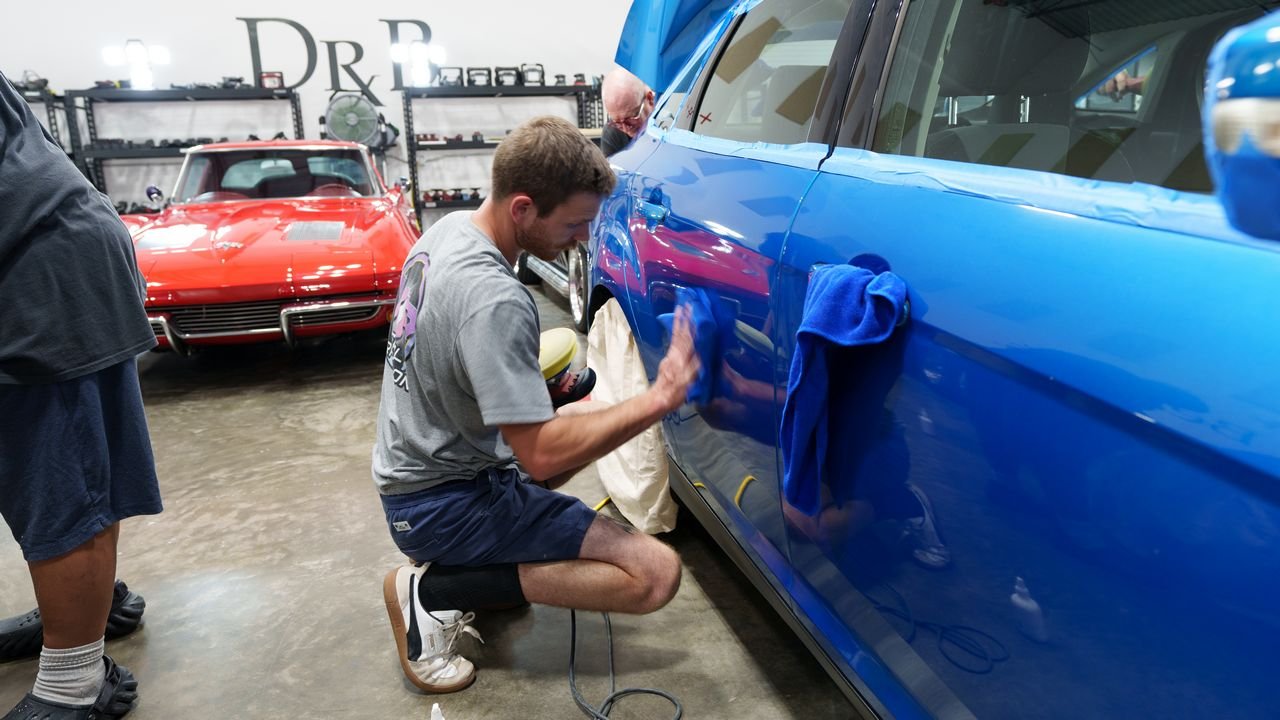
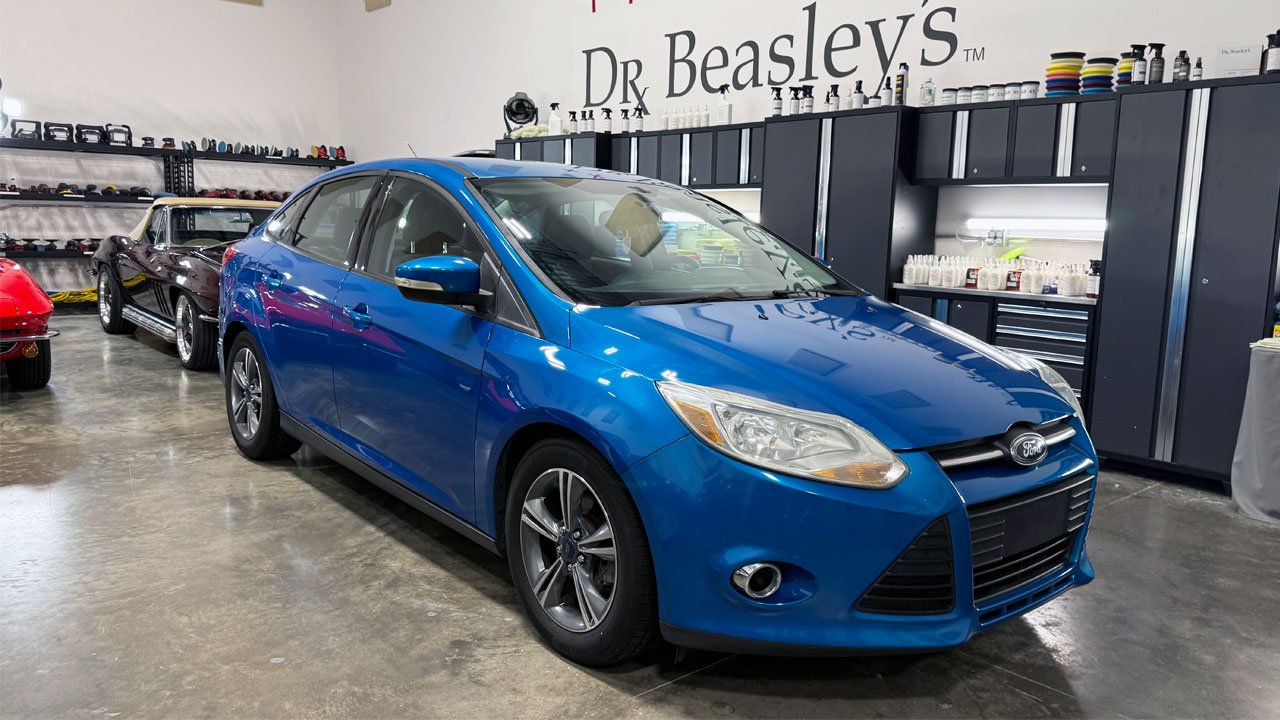
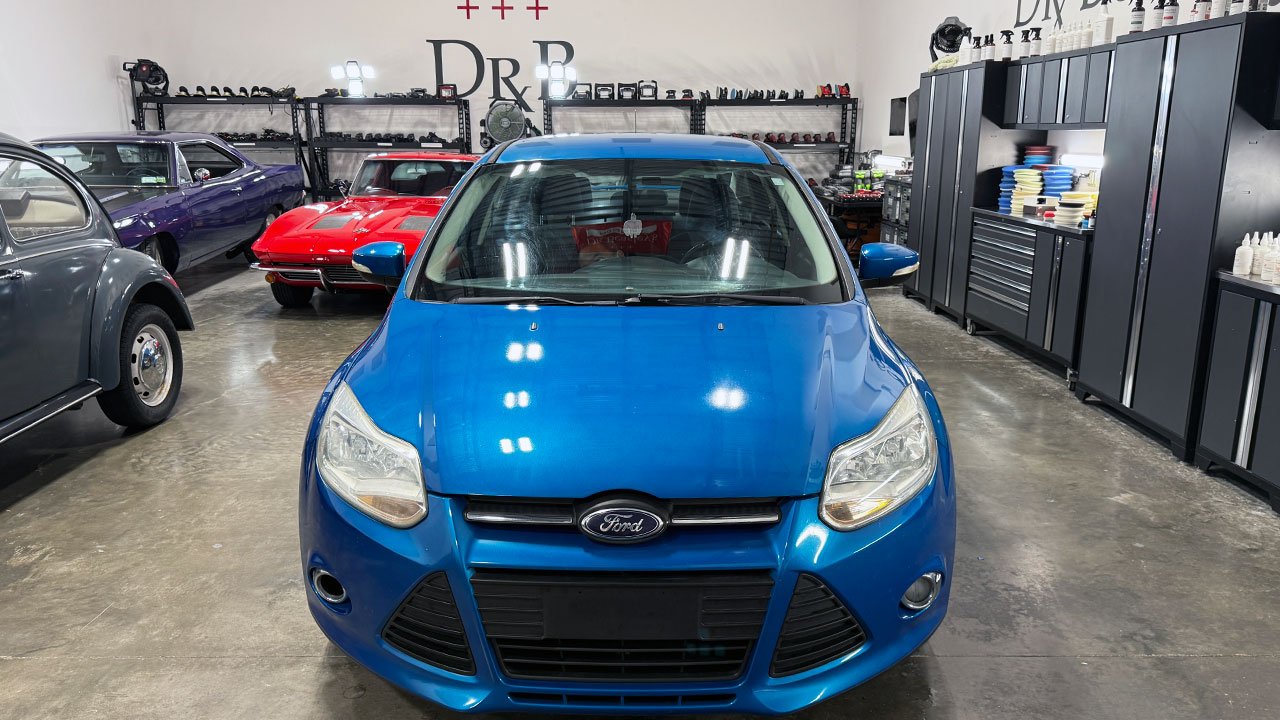
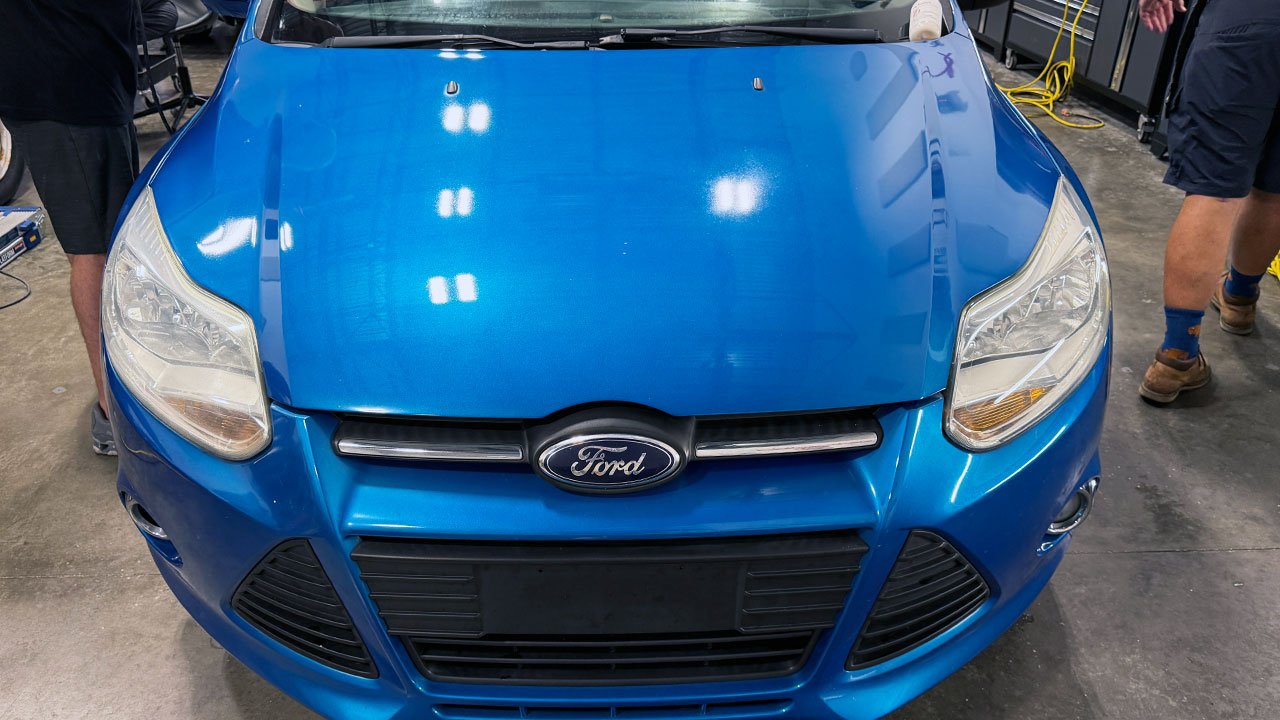
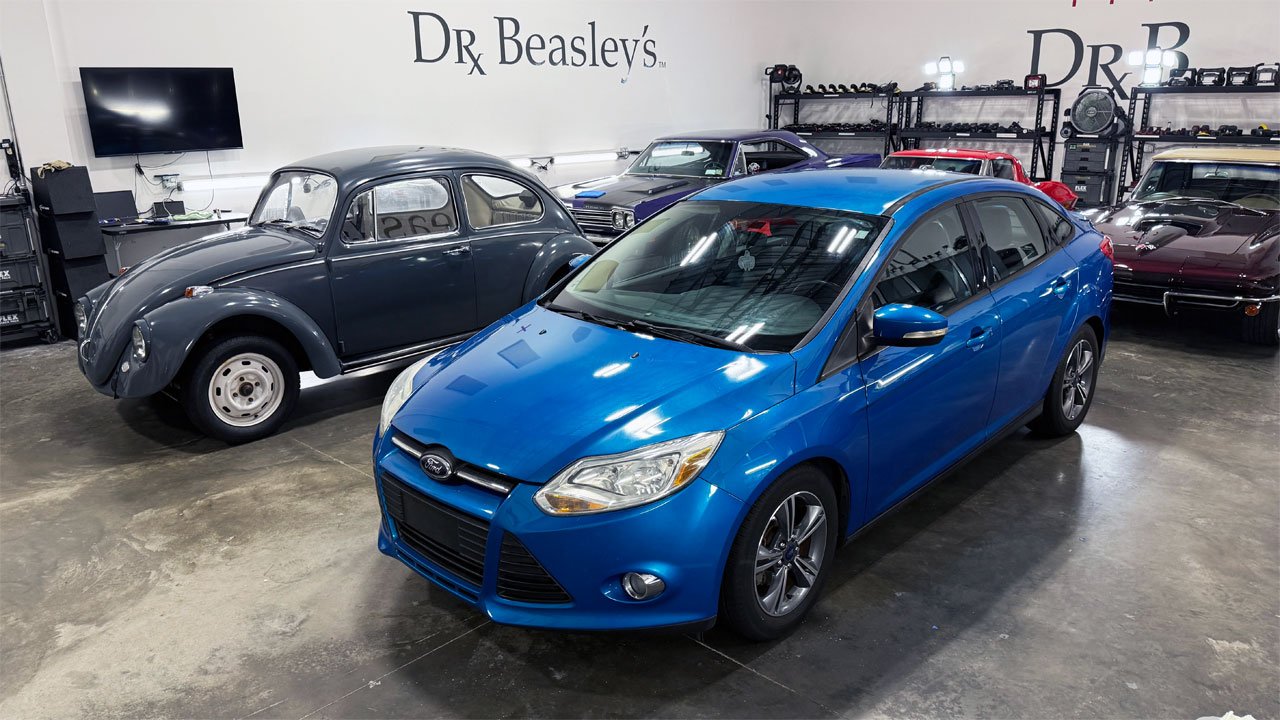
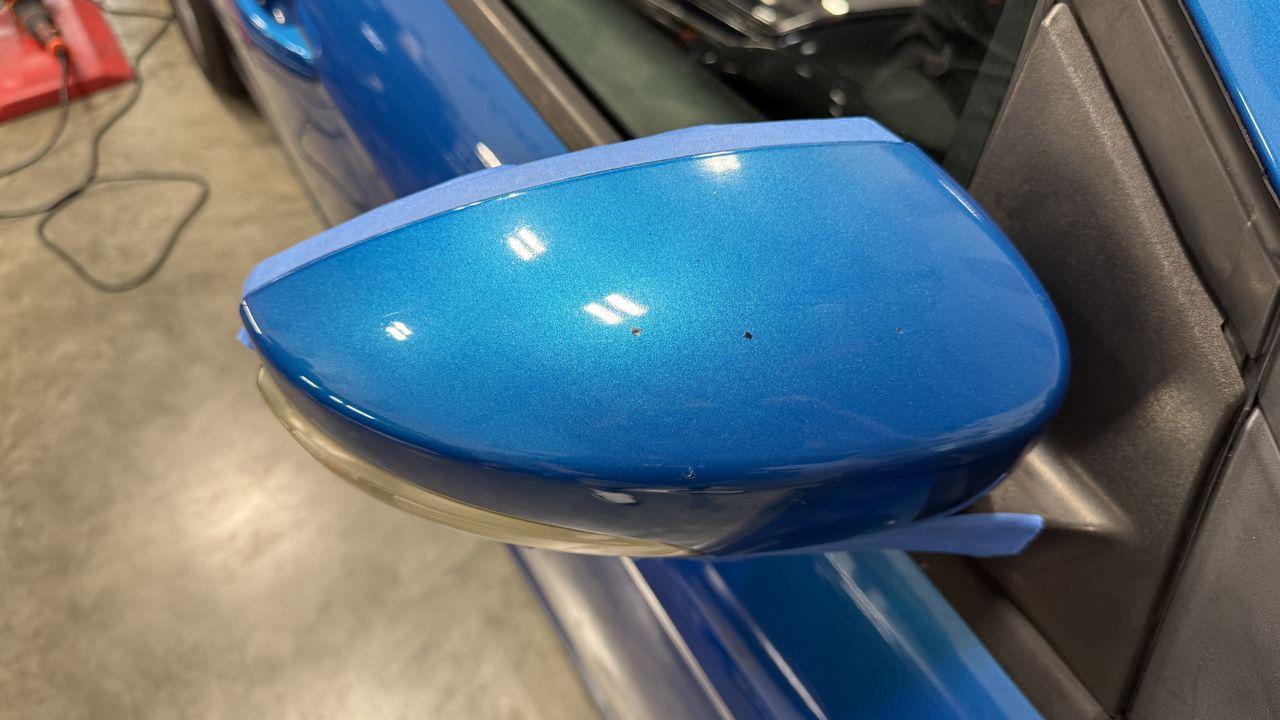
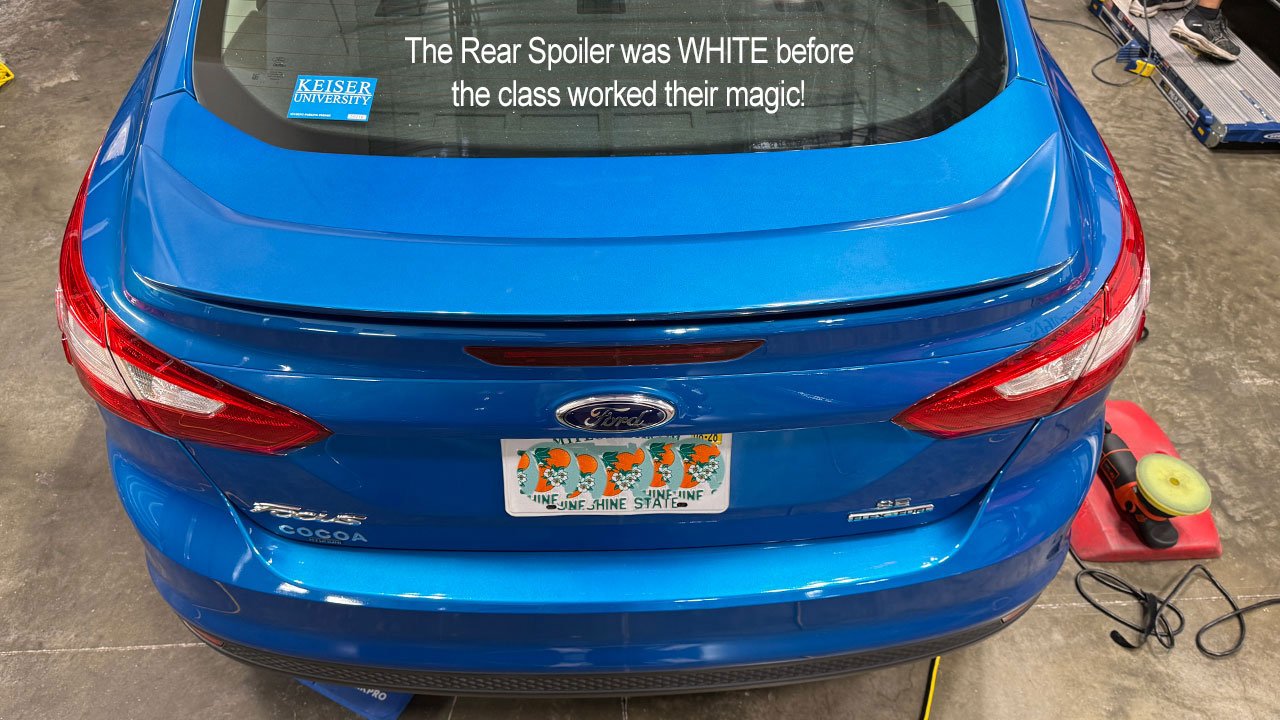
 This Ford Focus needed some serious FOCUS!